Dear friends and neighbors,
As we head into another week, I am keeping military families in my thoughts. We are seeing more public and at times combative exchanges between civilian leadership and military leaders while the United States is engaged in an active and evolving conflict in the Middle East. The consequences are carried by the people serving and the families waiting for them.
Last week’s update went into more detail on land use and education. You can review it here. Those are two issues are driving much of what we are working on right now. This week, I’m providing somewhat briefer updates on those items and updates on Windham County law enforcement pilot and how hard it is to pass laws to protect your privacy.
Jamaica Selectboard Meeting 4/27: Land Use and Education Reform
The Jamaica Selectboard will be discussing Act 181 (land use) and education reform (H.955) on April 27 at 7:00 p.m. at the Town Office. I will be there along with Senator Wendy Harrison and Senator Nader Hashim to provide updates and answer questions.
Land Use (Act 181 / S.325)
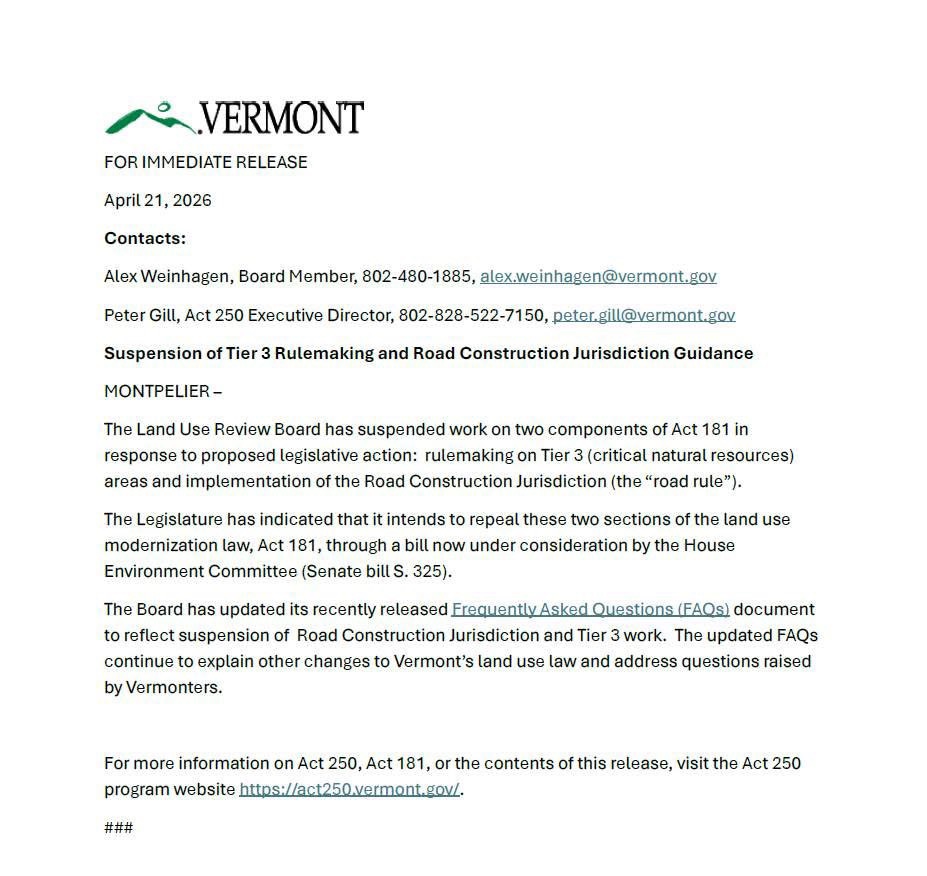
There has been a lot of recent activity, including committee discussions. Tier 3 and the Road Rule are likely to be repealed. These provisions expanded when Act 250 would apply, particularly around certain development areas and road construction, and have raised significant concerns about cost and impact on rural landowners. Read more here: https://laurasibiliavt.com/2026/03/31/sibilia-land-use-policy-wont-work-if-vermonters-arent-part-of-it/
Education Reform (H.955)
This bill creates a process for districts to work together and study potential mergers, but it does not change funding in the near term. The new funding formula is delayed until at least 2030, which means continued pressure on property taxes under the current system. At the same time, the Legislature is considering two changes that would affect taxes much sooner. The Senate is proposing to lower the excess spending threshold from 118% to 112%, which would take effect in FY2027 (this coming year’s school budgets and property taxes). The spreadsheet is here. Looking at our local districts:
At the current 118% threshold:
- West River: not over the threshold
- River Valleys: over the threshold (~$244,000 in excess spending)
- Stratton: not over the threshold
At the proposed 112% threshold:
- West River: over the threshold (~$197,000–$246,000 in excess spending)
- River Valleys: over the threshold (~$570,000 in excess spending)
- Stratton: not over the threshold
Lowering the threshold would bring more districts into penalty territory which increases pressure on property taxes and so also theoretically increases pressure to cut spending.
River Valleys is already over the threshold today and would see a significant increase at 112% without significant cuts. West River is not currently over, but would be under the Senate proposal. Stratton remains below the threshold in both scenarios.
River Valleys Budget and Elections
This is your opportunity to ask questions and vote on the River Valleys Unified School District (Dover and Wardsboro) for next year and ask questions about the local decisions that are contributing to property tax increases. Please engage and vote.
- Voting for school board members takes place by Australian ballot on Monday, April 27, 2026 from 10 AM to 7 PM
- All other items will be decided at the district meeting on Tuesday, April 28, 2026 at 7 PM at Dover Town Hall. At this meeting, you will vote on a roughly $6.85 million school budget that affects your property taxes, whether to use up to $470,000 in reserve funds to lower those taxes, funding for buildings and transportation, whether or not to pay more then the state tuition rates for students attending private schools, whether to continue the IB program in Dover, and district elections. You can read the full warning here
Second Homes and Property Taxes
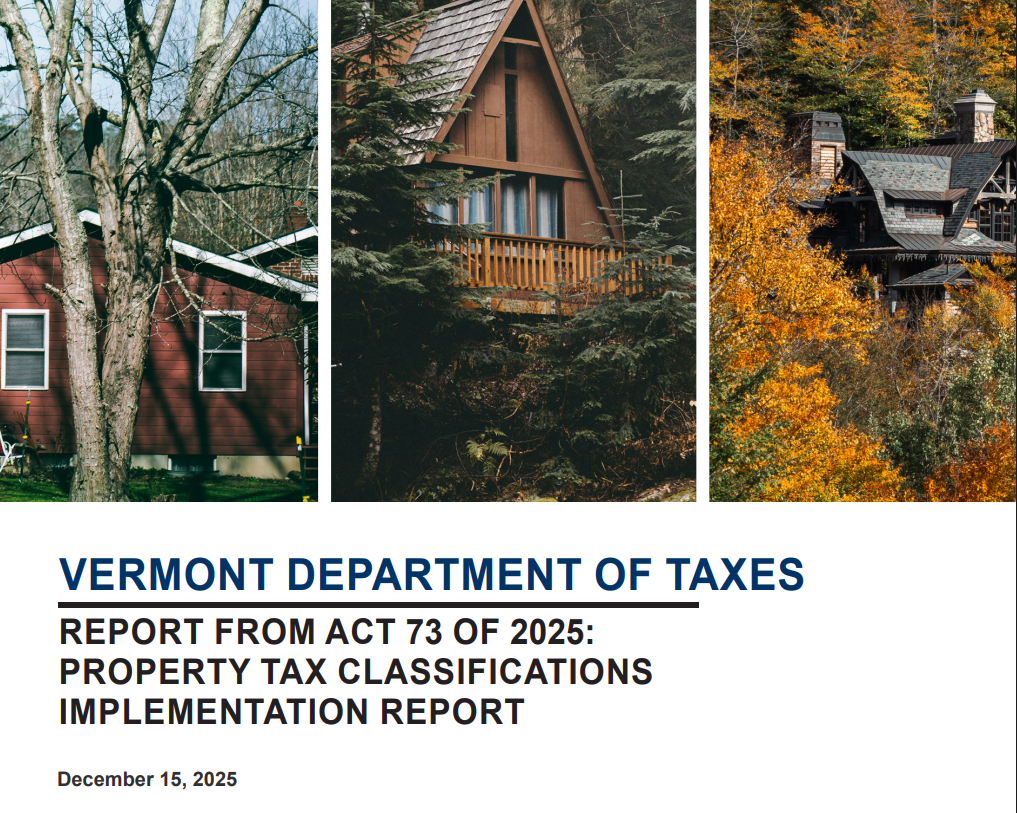
I’ve heard from many of you on this. Act 73 (2025) created a new structure for education property taxes with three categories: homestead (your primary residence), nonhomestead residential (which includes second homes and most rentals), and nonhomestead nonresidential (commercial property).
H.955 does not set tax rates. It adds definitions so properties are classified consistently. Classification determines how the tax system could apply in the future. The law allows the Legislature to apply different factors to these categories, but those decisions have not yet been made. The Department of Taxes is still working through how this would be implemented. This is on a long timeline, with changes not expected until 2028–2029.
The intent of this work is to reduce pressure on primary residences, but whether that happens depends on future decisions that have not yet been made. Read more at the link below
Windham County Law Enforcement Pilot
S.255 creates a pilot Law Enforcement Governance Council in Windham County to test whether a more coordinated, regional approach can improve how law enforcement services are delivered. Participation is voluntary for your town.
The version reported out of House Government Operations focuses on accountability and evaluation. It requires the Council to come back to the Legislature evaluations and reports.
- September 30, 2030 – a mid-point evaluation
- December 31, 2033 – a final evaluation
Those reports must look at cost, service quality, whether the governance model is working, and whether it should continue or expand. They go to the House and Senate Government Operations Committees so we can make informed decisions based on actual results. I voted yes because this gives us a way to test a different approach here in Windham County, with check-ins over multiple years and legislative oversight before making any broader commitments. Here is Sheriff Mark Anderson’s testimony.
Data Privacy (H.211)
Data privacy is something I hear about regularly from constituents. As our economy continues to evolve, I am prioritizing privacy and making sure Vermont businesses can continue to operate and compete.
Most of us understand a simple boundary: if you give a business your information to do something for you, that’s one thing. If it’s sold to someone else without your permission, that’s something else. That second thing is happening every day with your data.
A data broker is a company that collects personal information about people and then sells or shares it with others who you may not have a direct relationship with. There are 283 data brokers registered in Vermont. H.211 would put some limits around that by:
- requiring data brokers to register and disclose what they collect and share
- giving you the right to request deletion of your data
- requiring notice if your data is breached
- prohibiting use for fraud, harassment, or discrimination
The goal is pretty straightforward: more visibility and more control for individuals.
There are concerns being raised. Businesses in our region rely on digital marketing to reach customers and support our tourism economy. They are asking that privacy protections be practical and aligned with other states so Vermont businesses are not put at a disadvantage. There are also questions about how broadly the law is written, whether it captures activity beyond traditional data brokers, and what the compliance burden would be, especially for smaller organizations.
There is also massive lobbying on this issue, particularly from large technology companies and national industry groups, along with Vermont business organizations. That reflects how much economic value is tied to how your personal data is being collected and used.
The bill is now in the Senate Commerce Committee. Much of the current debate is focused on the data broker provisions, including proposals to narrow their scope. What happens next depends on votes in that committee, and where the committee feels the line should be between protecting your personal data and how much regulation is placed on those collecting and using it. If you have an opinion on that, now is the time to share it with Senate Commerce.
Other bills I’m working on
- Data centers (H.727): putting guardrails in place before large projects move forward, particularly around energy use, ratepayer impacts, and water
- Energy costs (S.138): helping businesses finance efficiency upgrades over time
Bills signed into law by the Governor:
S.60 An act relating to establishing the Farm and Forestry Operations Security Special Fund to provide payments for farm and forestry operation losses due to weather conditions This law creates a permanent Farm and Forestry Operations Security Special Fund to support Vermont farms and forestry businesses facing losses from extreme weather. This comes directly out of the flooding and weather events we’ve seen over the past two years, and the reality that many of our farmers are not well served by existing federal programs. When funded, this program will provide direct assistance for things like lost crops, damaged infrastructure, and ongoing expenses after a disaster, helping keep working lands viable and supporting rural economies. The law takes effect July 1, 2026, with implementation tied to future appropriations.
H.545 An act relating to issuing immunization recommendations This bill relate to how Vermont issues immunization recommendations. This was done in response to changes at the federal level and ongoing questions about how recommendations are made, with the goal of ensuring Vermont has a clear, transparent, and consistent process in place. The law maintains access to recommended immunizations at no cost to individuals and continues to rely on established medical guidance, while clarifying that the Department of Health will issue recommendations in consultation with medical experts and national guidelines. Most provisions took effect upon passage and remain in place through July 1, 2031.
Recent Reports:
Health Care Spending Reduction Report This report shows Vermont is in the early stages of a major effort to bring down health care costs while maintaining access to care. The state has set a goal of reducing hospital spending by at least 2.5 percent and is working with hospitals to develop regional plans, shift care out of higher-cost settings, and build a more coordinated system. All hospitals have submitted transformation plans, and initial funding and technical support are being put in place, but much of the work is still in planning and early implementation.
A caveat: many of the expected savings are not yet measurable, and the changes are happening at a time when hospitals are already under financial strain and communities are worried about access. If this transition is not paced carefully, there is a real risk of reducing services or shifting costs before the new system is fully in place, especially in rural areas.
Office Hours
I will be holding office hours next Saturday from 11:00 a.m. to 12:00 p.m. at the Dover Free Library. Please stop by if you have questions or want to talk through any of these issues.
Regional Planning and Act 181
As always, please reach out if you need help navigating state services or want to share what you’re seeing locally. I read and value your notes, even if I can’t always respond immediately. I do not have staff and I work year-round, so if you do not hear back in a day or two, please follow up or send a text. If you find my work useful and are able to support it, you can do that here.
Thank you for staying engaged and staying in touch!
Rep. Laura Sibilia
Windham-2 District (Dover, Jamaica, Somerset, Stratton, Wardsboro)
Email: lsibilia@leg.state.vt.us
Phone: (802) 384-0233
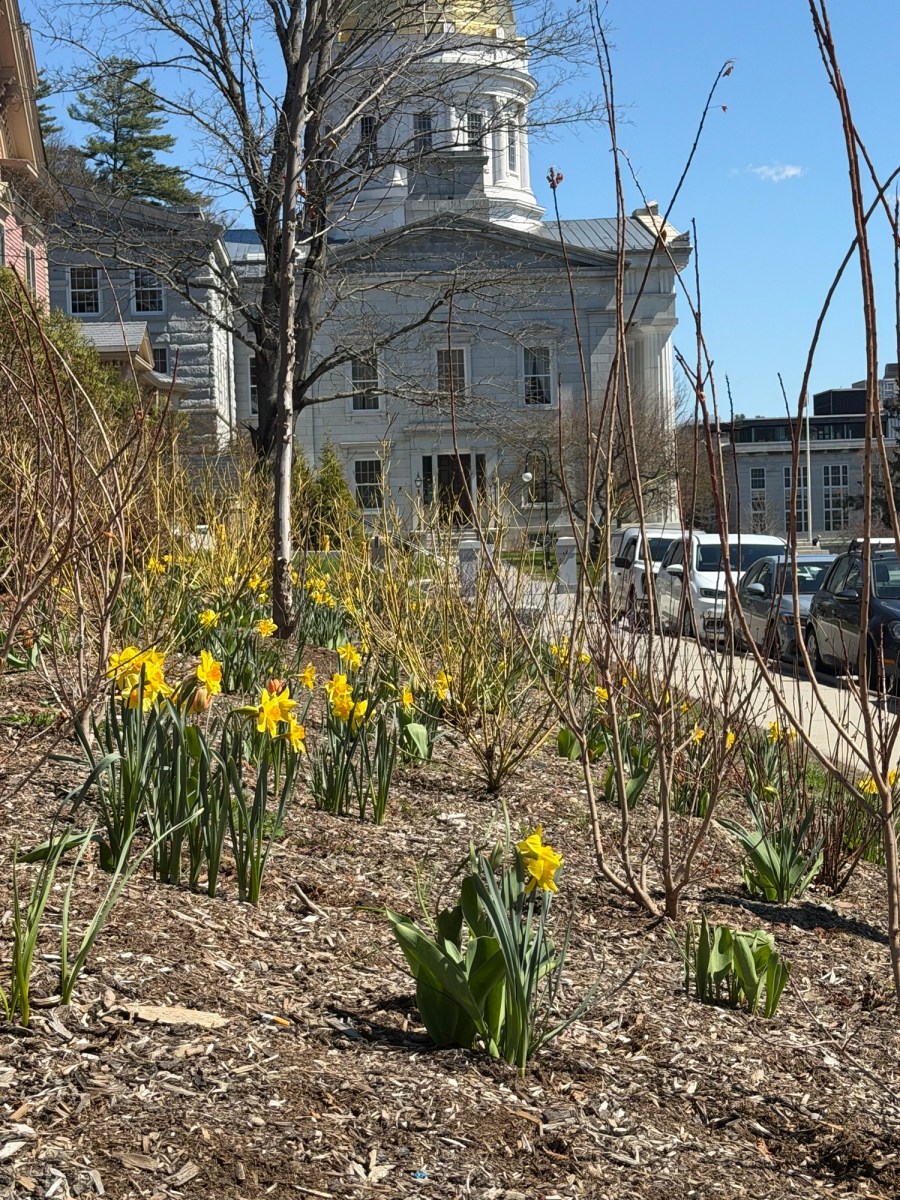
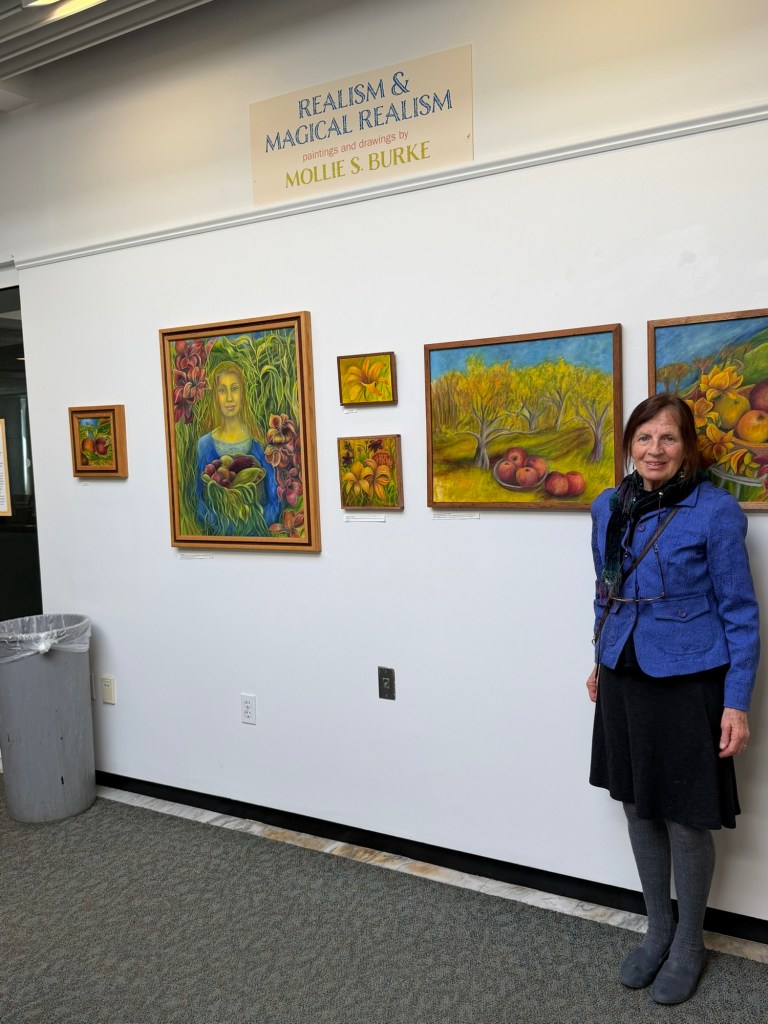
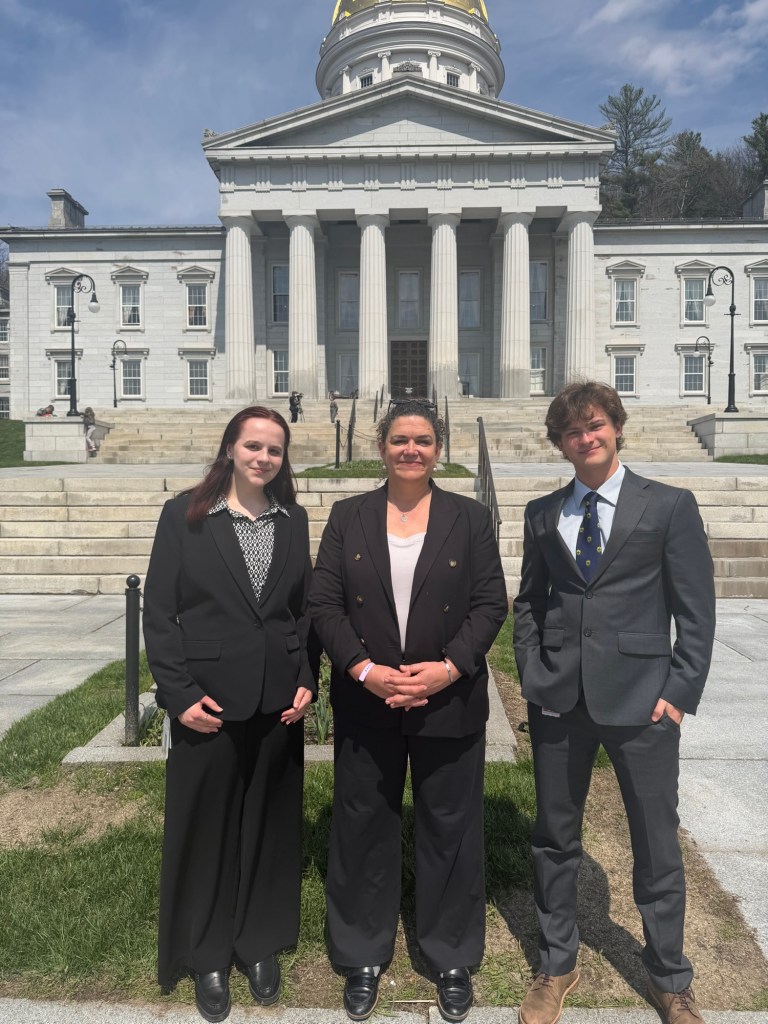
Taking in the sun last week!
Discover more from Vermont State Representative Laura Sibilia
Subscribe to get the latest posts sent to your email.
 Vermont State Representative Laura Sibilia