Dear friends and neighbors,
The legislative session is close to half over, and today we adjourned for a week back home in our districts and at our Town Meetings. I am looking forward to seeing many of you on March 3.
Town Meeting is where democracy is most visible and most personal. I hope you will attend and embrace your role as citizens holding your government to account by asking hard questions, voicing your hopes for your town and schools, and electing your neighbors to serve in municipal government. This tradition is one of Vermont’s strengths, and your participation matters.
I will be traveling between Wardsboro, Jamaica, Stratton, and Dover throughout the morning. Please come say hello and share what is on your mind.
In this newsletter, you will find information about an upcoming Act 250 public meeting, updates on the Rural Caucus and PILOT funding, a discussion of electric rates and regional energy trends, my work on data center policy, and a reminder about constitutional protections and due process.
Town Meeting Day · Tuesday, March 3, 2026
I’ll be traveling between meetings in Wardsboro, Jamaica, Stratton, and Dover.
- Wardsboro · 9:00 AM · Town Hall · Warning I’ll be there from 9:00–9:25 AM
- Jamaica · 10:00 AM · Town Hall · Warning I’ll be there around 10:00–10:25 AM
- Stratton · 10:00 AM (Town) / 11:00 AM (School) · Town Hall · Warning I’ll be there around 10:50–11:15 AM
- Dover · 10:00 AM · Town Hall · Warning I’ll be there starting around 11:45 AM
Here is a Citizens Guide to Town Meeting from the Vermont Secretary of State and here is my Town Meeting Report
The Rural Caucus will be hosting an event to listen to the concerns of rural Vermonters – Wednesday, March 25th from 5:30-7:00 pm in Room 10 of the State House and online via Zoom. More information is linked here and available on the resources page of vtruralcaucus.com
Windham Regional Commission will host a virtual public meeting on Tuesday, March 17th at 6:00 p.m. on the Act 250 Tier 3 and Road Construction Jurisdiction rulemaking process being completed by the Land Use Review Board. Alex Weinhagen, Land Use Review Board Member, will provide a presentation on the current drafts of the rules and Tier 3 mapping, and be available to answer any questions. Additional background information is available on WRC’s Act 181, Regional Plan Update page: https://windhamregional.org/act-181/. The Zoom link for that meeting is below.
Join Zoom Meeting: https://us02web.zoom.us/j/86212351800?pwd=HdTHqFDXbYlHPHBJcDurLJ6vQd4RaT.1
Meeting ID: 862 1235 1800 Pass code: 565316 Dial in: (301) 715-8592
PILOT Fund Raid and Local Option Taxes
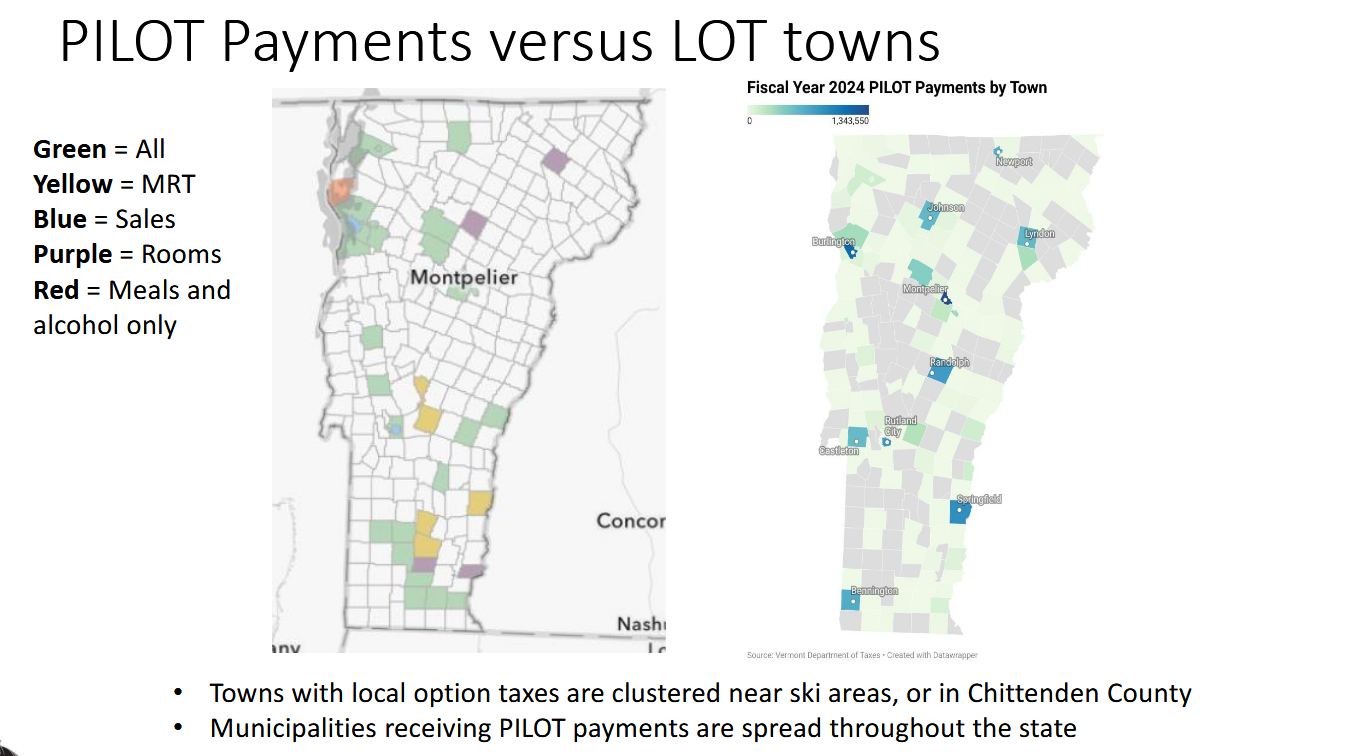
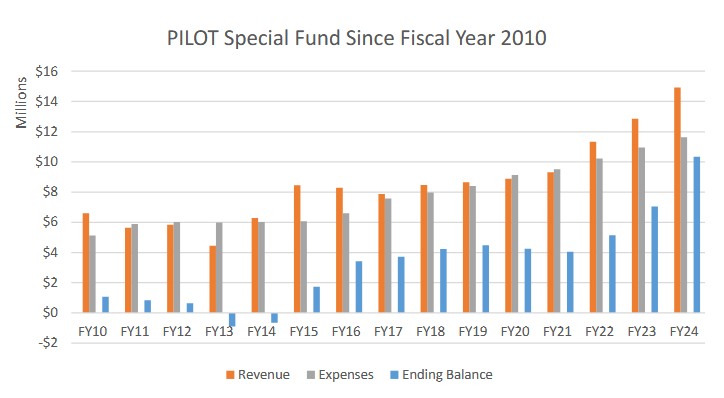
The state’s most recent end-of-year report shows a surplus of more than $15 million in the PILOT Special Fund. This fund is made up of local revenues, raised through voter-approved Local Option Taxes, and is intended to support payments back to municipalities for state-owned land and buildings.
I share the position of the Vermont League of Cities and Towns (VLCT) that these locally generated revenues should be returned to the municipalities that raised them. In the Governor’s FY27 budget and recent House action, half of the PILOT surplus is proposed to be used for statewide property appraisal and equalization costs. These are state responsibilities, not municipal ones.
Local Option Taxes are one of the few tools towns (that have elected to tax themselves and their visitors more then other towns in the state) have to relieve pressure on property taxpayers, and those revenues should not be redirected to cover statewide expenses.
Electric Costs and Regional Market Trends
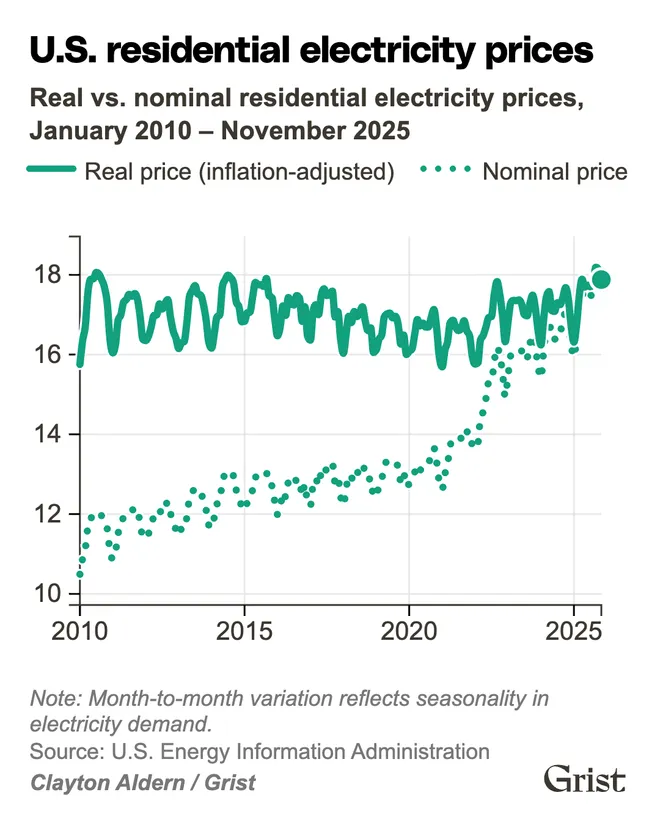
Electric bills are up almost everywhere. According to this article from Canary Media: “What’s behind your sky-high power bill: A region-by-region breakdown”, Since 2021, the average U.S. household pays about 30 percent more for electricity.
What is happening in the Northeast, including Vermont
In the Northeast, higher natural gas prices have been a major factor in rates.
Much of the region’s electricity is generated by natural gas power plants. The same fuel is used to heat homes in the winter. When temperatures drop, demand for gas increases. Homes and power plants compete for the same supply. When supply tightens, prices rise, and those increases show up in electric bills.
New England cannot easily bring in additional natural gas during peak demand. That makes price spikes more severe here than in many other parts of the country. Slowing the development of wind and solar absolutely can also increase long-term price risk. Renewable energy sources have no fuel costs once built, while natural gas prices can fluctuate sharply, especially in the Northeast. The more the region relies on gas-fired generation, the more exposed ratepayers remain to fuel price volatility.
What is driving costs in Vermont
Vermont regularly has the lowest rates in New England, even though our state is also affected by those regional market forces, but much of the pressure on our bills comes from system costs here at home. These include:
- Long rural power lines serving small populations
- Upgrades to poles, wires, and substations
- Storm and flood repairs
- Transmission and regional grid costs in New England
Over the past few years, rates have also been affected by higher regional wholesale electricity prices — especially increases in natural gas prices and regional capacity market costs in New England.
It’s also important to be clear about what is not driving most of the recent increases. Vermont’s renewable energy goals are not the primary cause of the spike in electric bills over the past few years. The largest drivers have been regional energy market pressures and the cost of maintaining a reliable grid.
Data Centers and Regional Price Risk
One emerging issue that could affect future electric bills is large data center development.
We have not yet seen projects at the scale found in other parts of the country, but there has been interest, including here in Vermont.
Data centers are large buildings filled with computers that store and process information for the internet and major companies. They use enormous amounts of electricity, sometimes as much as a small town. In electric system terms, load simply means demand for electricity.
New England operates a regional electricity market. The price of electricity is often set by the last and most expensive power plant needed to meet demand at a given moment. When demand rises sharply, more expensive plants are brought online, and that can raise prices across the region.
This means a single very large new project could increase regional power prices and affect Vermont households and small businesses if it is not structured carefully.
That is one reason I introduced H.H.727, An act relating to sustainable data center deployment. The goal is straightforward. If a large energy user connects to our grid, residential customers and small businesses should not shoulder the added cost.
We are taking testimony on how best to protect Vermont ratepayers, and we are working closely with the Department of Public Service to understand how regional market decisions in New England could affect us.
—
On this week’s Democracy Dispatch podcast, I join Senator Rebecca White to discuss how Vermont should prepare for potential large-scale data center development, what it could mean for energy rates and grid reliability, and why thoughtful policy needs to come before pressure to act. Listen to Pause or Prepare? Two Paths on Data Center Policy
A Reminder About Due Process
Last spring I wrote about detentions that raised concerns about due process and constitutional protections for legally present immigrants. As similar cases continue, it’s important to challenge the inaccurate use of the term “illegal immigrant.” Many people being detained are lawfully present, and regardless of status, the Constitution protects basic rights.
In the meantime, there are practical steps refugees and other immigrants can take to help protect themselves::
- carrying a copy of documents showing immigration status (including receipts of green card applications)
- avoiding interactions with the police (this includes avoiding drinking and driving, becoming drunk and disorderly, assaulting women and children, using illegal substances/drugs, driving without a license, speeding while driving etc.),
- connecting with neighbors, friends, churches, mosques, schools, or other places where they find comfort, support, or friendship
- learning how to be prepared in case of detention by watching this video (project of VAAP and Vermont Language Justice Project): Being prepared in case of detention
Remarks Entered into the House Journal
I delivered the following remarks on the floor of the House today. They will be a part of our record.
“Madam Speaker:
Last week, Kansas enacted a law requiring transgender residents to surrender their legally amended driver’s licenses and birth certificates and pay to replace them with documents that deny who they are.
I am proud to say that in Vermont, in 2021 and 2022 in a bipartisan way led by the former member from Winooski and with our Governor’s signature, we chose a different way. We made it easier to amend birth certificates. We protect gender identity under our civil rights laws.
In Vermont we do not erase people’s identities, and we do not criminalize their presence in public spaces.
To transgender Vermonters and your families: Your documents are valid. Your rights are protected. And in this State, your government stands with you.”
As always, please reach out if you need help navigating state services or want to share what you’re seeing locally. I read and value your notes, even if I can’t always respond immediately. I do not have staff and I work year-round, so if you do not hear back in a day or two, please follow up or send a text. If you find my work useful and are able to support it, you can do that here.
Thank you for staying engaged and staying in touch!
Rep. Laura Sibilia
Windham-2 District (Dover, Jamaica, Somerset, Stratton, Wardsboro)
Email: lsibilia@leg.state.vt.us
Phone: (802) 384-0233
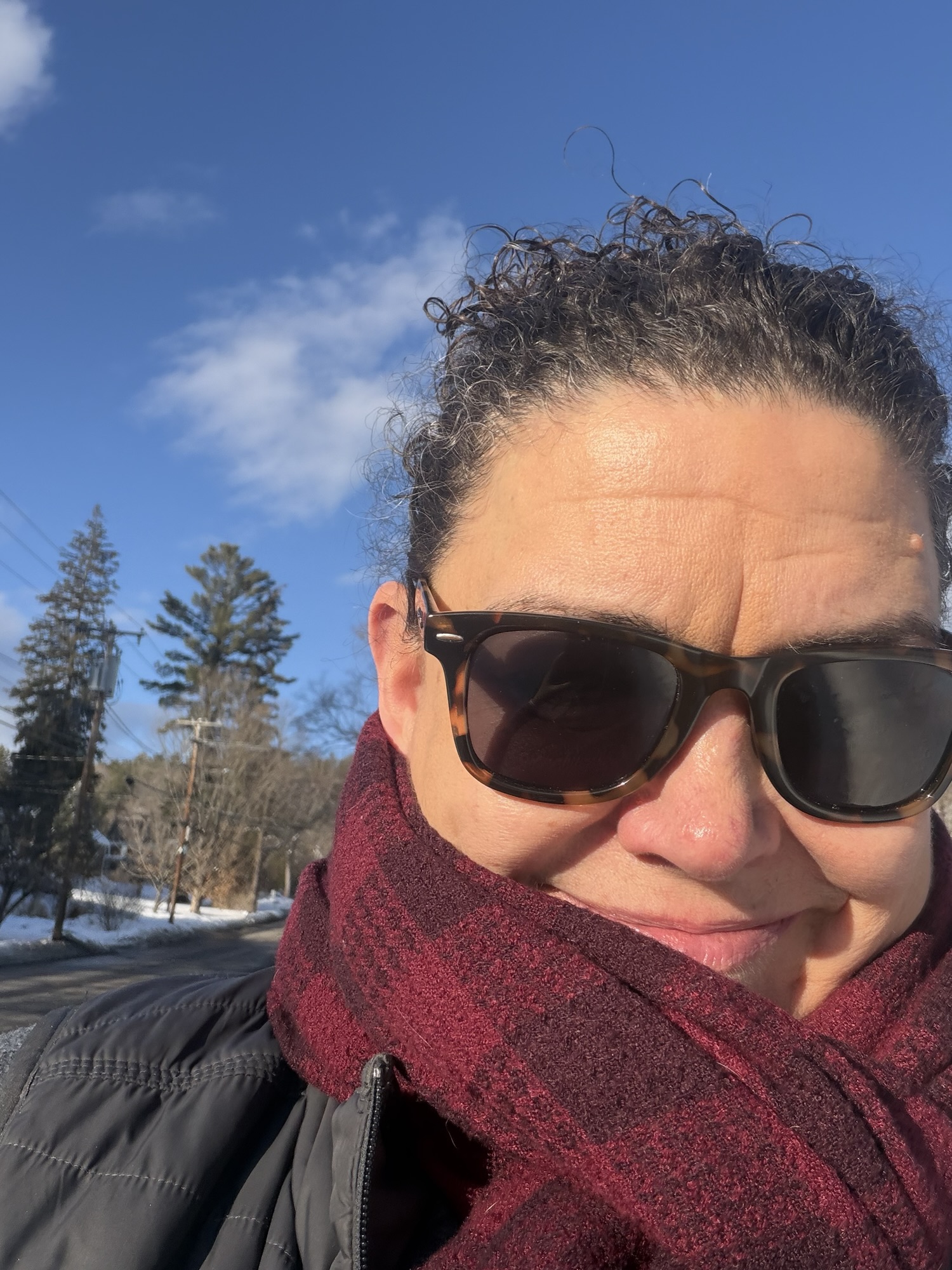
Walking in the sun in Montpelier after a long day of testimony on building codes and data centers!
Discover more from Vermont State Representative Laura Sibilia
Subscribe to get the latest posts sent to your email.
 Vermont State Representative Laura Sibilia