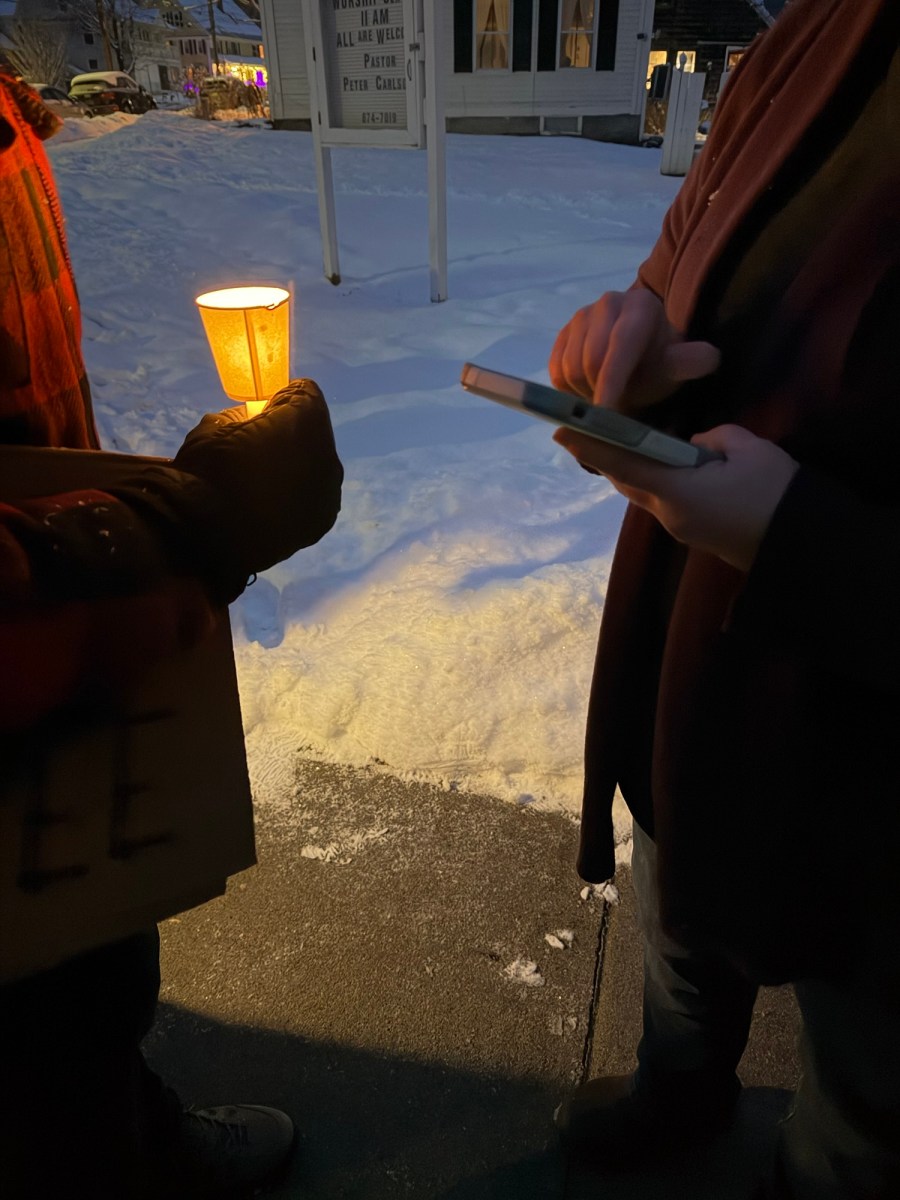
Last weekend, I stood with neighbors in Jamaica at a candlelight vigil for those who have died while in federal immigration detention. It was simple and short, and it meant a lot to those in attendance. People are dealing with a lot right now, whether they are worried about family, finances, safety, or what comes next in our country, state and town. In times like these, community really matters.
I work hard to keep that perspective with me during the week at the State House. This week’s update covers the budget, education, land use, and other big issues we’re working through, what I’m paying close attention to, and where I think we need to slow down, ask better questions, and stay grounded in the realities Vermonters are living with.
Thank you for reaching out with questions and encouragement!
The 2026 January Economic Review and Revenue Forecast published on Jan 16, 2026 by Tom Kavet, Kavet, Rockler & Associates shows Vermont’s finances are generally stable and close to expectations. At the same time, it warns that economic conditions remain uncertain and increasingly dependent on a small number of factors. Many Vermont government services are reliant on federal funds.
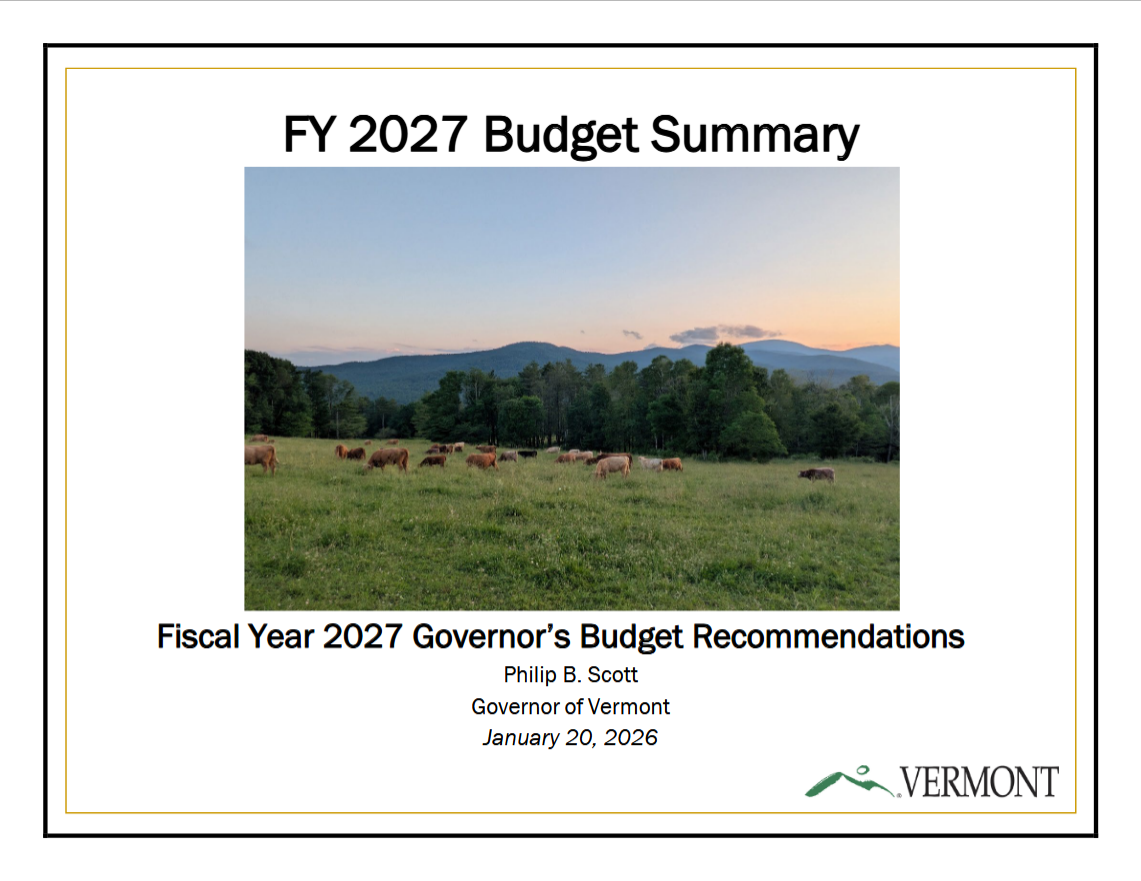
Initial Takeaways from the Governor’s 2026 Budget
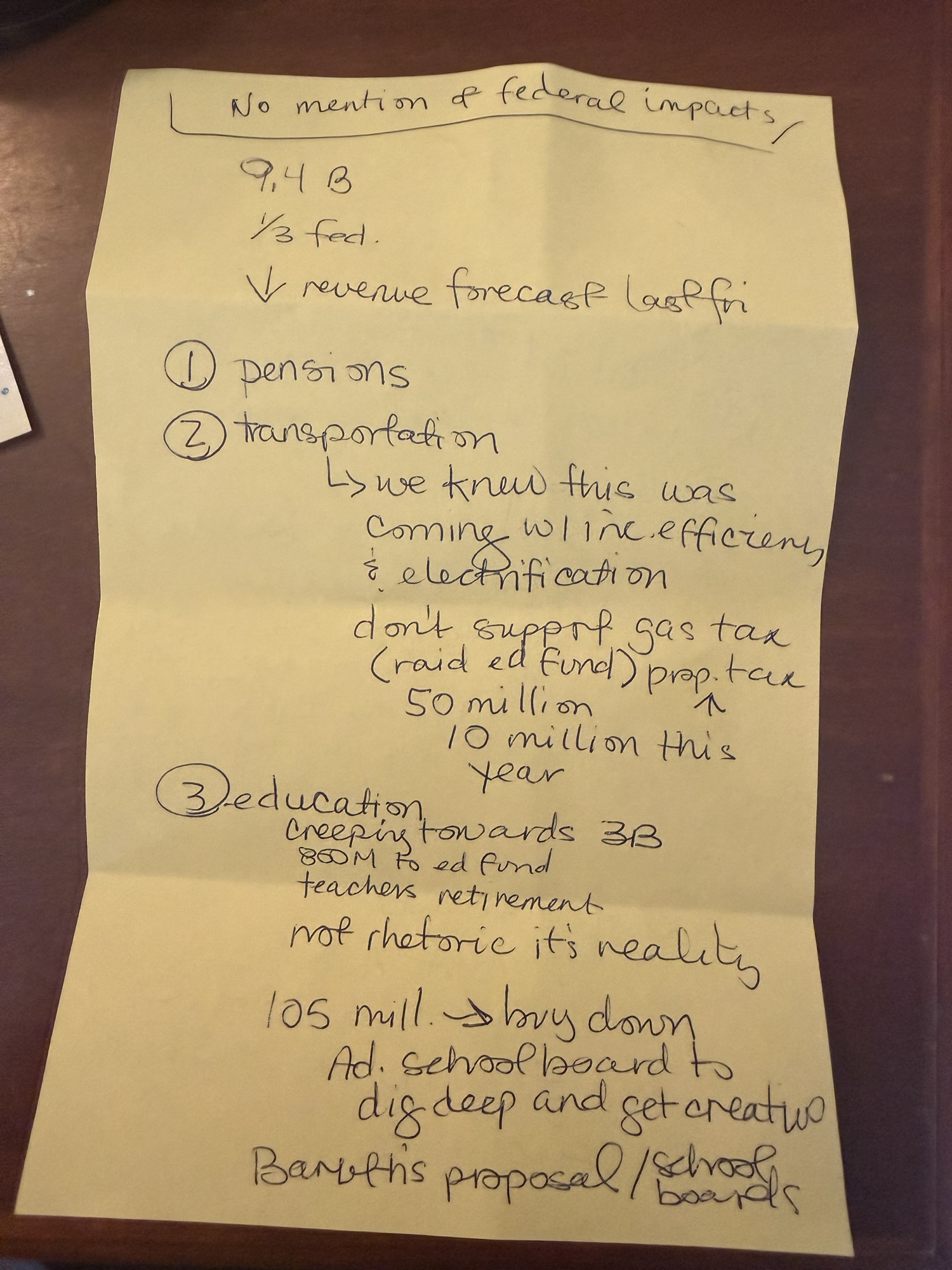
The Governor presented his budget to a joint House and Senate Session this week. The budget presented to run state government services was framed around goals many Vermonters share, including affordability and protecting those most at risk. Those priorities matter, and it is important to state them clearly.
At the same time, the address missed an opportunity to acknowledge the extraordinary uncertainty Vermont is operating under and the unease many Vermonters are experiencing. In moments like this, people are looking not just for numbers, but for reassurance and clarity about how we will navigate what comes next. The question before us is whether this year’s budget choices are sufficient for the scale of the challenges we are facing.
Education spending is approaching $3 billion, with school budgets projected to increase by about 12 percent statewide. The Governor’s proposal relies on roughly $100 million in one-time funding to buy down property taxes for a single year and shifts some revenue out of the Education Fund. When the Education Fund falls short, property taxes are the backstop, including in communities that are already working hard to manage costs. That reality needs to remain front and center.
The Governor encouraged school boards to “dig deep and get creative.” That is a very reasonable message in a very difficult year, but, it also applies to Montpelier. State policy decisions that move programs in or funds out of the Ed Fund limit what local districts can realistically do. Creativity and restraint is needed at all levels.
As previously noted, I am not persuaded that closing or merging rural schools that are 30 to 40 minutes apart reliably saves money. Where reform can help, and where Act 73 points us, is governance. Boards governing larger regions, across multiple buildings and communities, while keeping schools open, paired with meaningful state-level technical and financial support, can reduce duplication, improve planning, and create more consistent opportunities for students.
Transportation funding presents a similar structural challenge. Gas tax revenues continue to decline as vehicles become more efficient and electric vehicles become more common. The Governor ruled out a gas tax increase to address a Transportation Fund shortfall that has been building for years and instead pointed to property taxes as part of the backfill. There are not easy answers here.
Budgets reflect priorities.
This budget sets the financial backdrop for the policy work ahead. Decisions about land use, housing, infrastructure, and emerging technologies all intersect with these financial limits. Below are updates on several pieces of legislation I am working on that are proposed under that same limiting environment.
Link to Governor’s 2026 Budget Summary
Rural Caucus Legislation on Act 181
Getting the sequence right
This week, the tri-partisan leadership of the Rural Caucus introduced legislation to improve notice, transparency, valuation, and timing as Act 181 moves into implementation https://legislature.vermont.gov/bill/status/2026/H.730. The bill was developed with direct feedback from rural legislators, municipalities, and landowners and has bipartisan support, with endorsements from the Vermont League of Cities and Towns and Let’s Build Homes.
The legislation responds to increasing concerns about timing and governance. Several new regulations, including the Road Rule, are moving forward before regional maps are even finalized. At the same time, regional planning commissions that have been amongst the first to present draft maps to the new Land Use Review Board have been directed to significantly reduce proposed growth areas. And many regions have not yet presented maps at all. These developments raise real questions about process, local authority and transparency.
At a high level, the Rural Caucus bill:
- Requires mailed notice to landowners in Tier 2, Tier 3, and areas above 2,500 feet before Tier 3 rules are finalized
- Allows housing development to continue in existing growth areas while implementation work proceeds
- Aligns property valuations with actual development limits beginning with the 2027 Grand List
- Adjusts implementation timelines, including delaying the Road Rule trigger so communities have time to understand changes before Act 250 jurisdiction is affected
The bill does not change the substance of Act 181, expand or weaken Act 250, add new triggers, or slow housing. Its purpose is to preserve the intent of the law while ensuring implementation remains transparent, orderly, and grounded in local understanding as additional proposals and appeals processes are considered.

Data Centers and Vermont
You may have seen discussion recently about large data centers. These facilities use significant amounts of electricity and water and can have an affect on grid reliability and local infrastructure capacity.
I’ve introduced legislation, H.727 – Sustainable data center deployment, to establish clear rules for how and where data center proposals in Vermont would be reviewed if a proposal ever comes forward. The bill does not encourage data centers, and it does not prohibit them. It aligns with Vermont’s existing land-use and environmental framework so communities are not caught unprepared.
Vermont is not considered attractive for these high electric users, because New England electric rates are high compared to other parts of the country. Across the country, data center siting has often happened quickly and without clear standards. Vermont has an opportunity to do this differently by putting expectations in place before pressure builds.
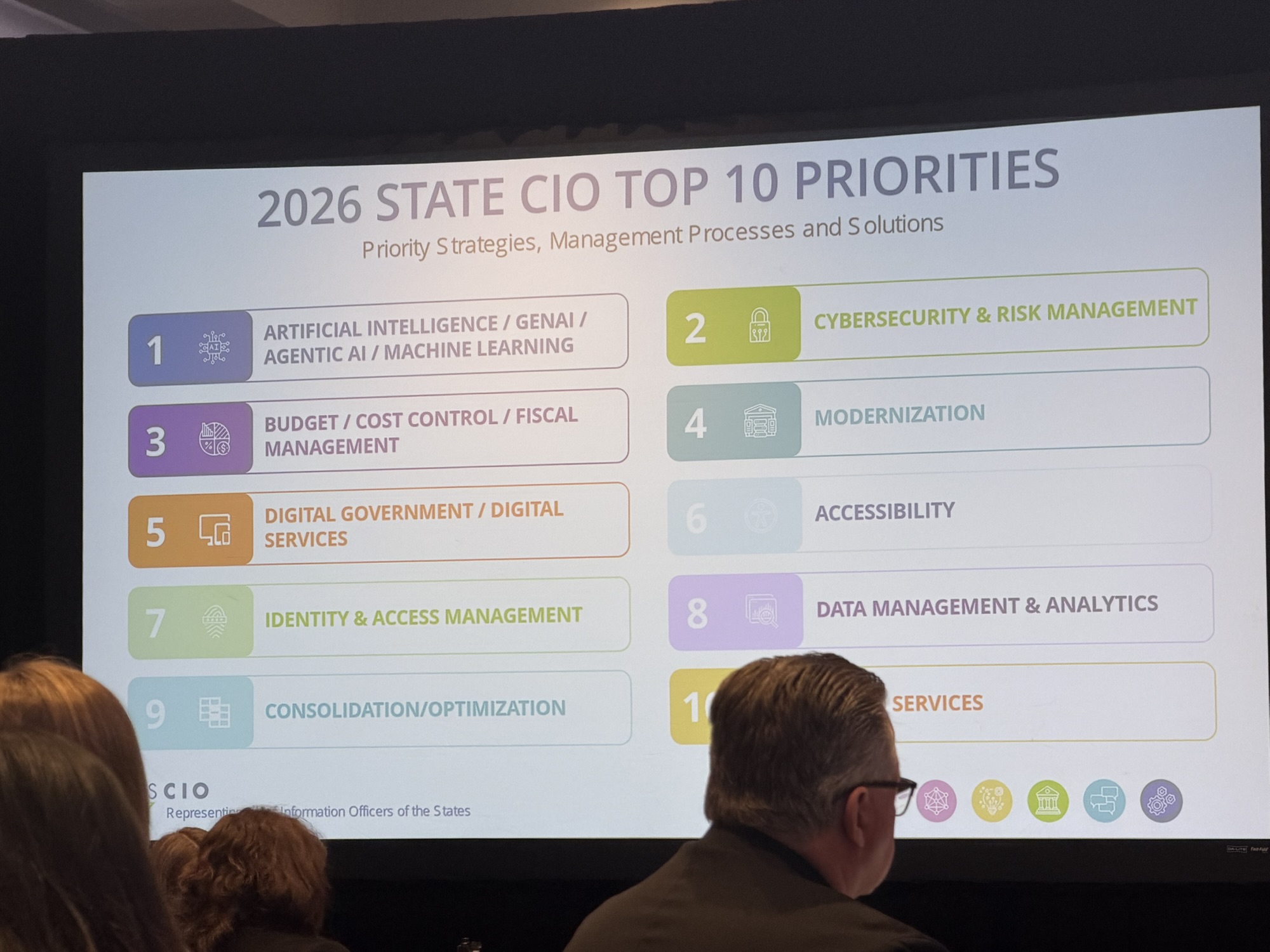
I serve on the National Conference of State Legislatures Task Force on Artificial Intelligence, Cybersecurity, and Privacy, and last week I traveled for a one-day working meeting with legislators and industry leaders.
The focus of the Task Force is straightforward: helping states bring more structure and clarity to how we collectively approach AI, data protection, and cybersecurity. These issues are interconnected, and touch everything from personal privacy and consumer protection to energy systems, water infrastructure, healthcare, and public safety.
As more and more sensitive information moves online and new technologies develop, states need opportunities to share what is working, learn from each other, and strengthen state systems and policies.
Bills I’m Sponsoring This Session
My legislative work this year focuses on transparency, student rights, and preparing Vermont for emerging infrastructure and governance challenges:
- H.747 Law Enforcement Masking and Identification – Sets clear statewide standards for officer identification while allowing necessary safety and medical exceptions
- H.705 – Student Secular Bill of Rights
- H.720 – Cloud Computing Public Utility Act
- H.727 – Sustainable data center deployment
- H.730 – Act 250 location-based jurisdiction and Act 181 implementation
Recent State Reports
DEC Permit Expediting Program Annual Report
The Department of Environmental Conservation released its annual report on the Permit Expediting Program, covering July 2024 through June 2025. During the year, DEC issued 5,315 permit decisions. Eighty six percent were completed within established performance standards, an increase from the prior year but below the program’s 90 percent target.
DEC reported ongoing staffing challenges, with an average of 35 to 40 vacant positions throughout the fiscal year. Permit fees generated $7.3 million, which did not fully cover the cost of administering the permit programs. Additional funding came primarily from federal sources, along with state general and special funds.
The largest sources of permit fee revenue were operational stormwater permits, which generated $2.37 million, potable water and wastewater permits for larger subdivisions, which generated $745,558, and public water system operating permits, which generated $734,648.
The report notes continued expansion of online permitting systems and timely processing for many lower complexity permits. It also identifies longer processing times for more complex permits, backlogs in some programs, and seasonal fluctuations in application volume.
If you need help with state services, please reach out. I do not have staff and I work year-round, so if you do not hear back in a day or two, please follow up or send a text. If you find my work useful and are able to support it, you can do that here.
Thank you for staying engaged and staying in touch!
Rep. Laura Sibilia
Windham-2 District (Dover, Jamaica, Somerset, Stratton, Wardsboro)
Email: lsibilia@leg.state.vt.us
Phone: (802) 384-0233
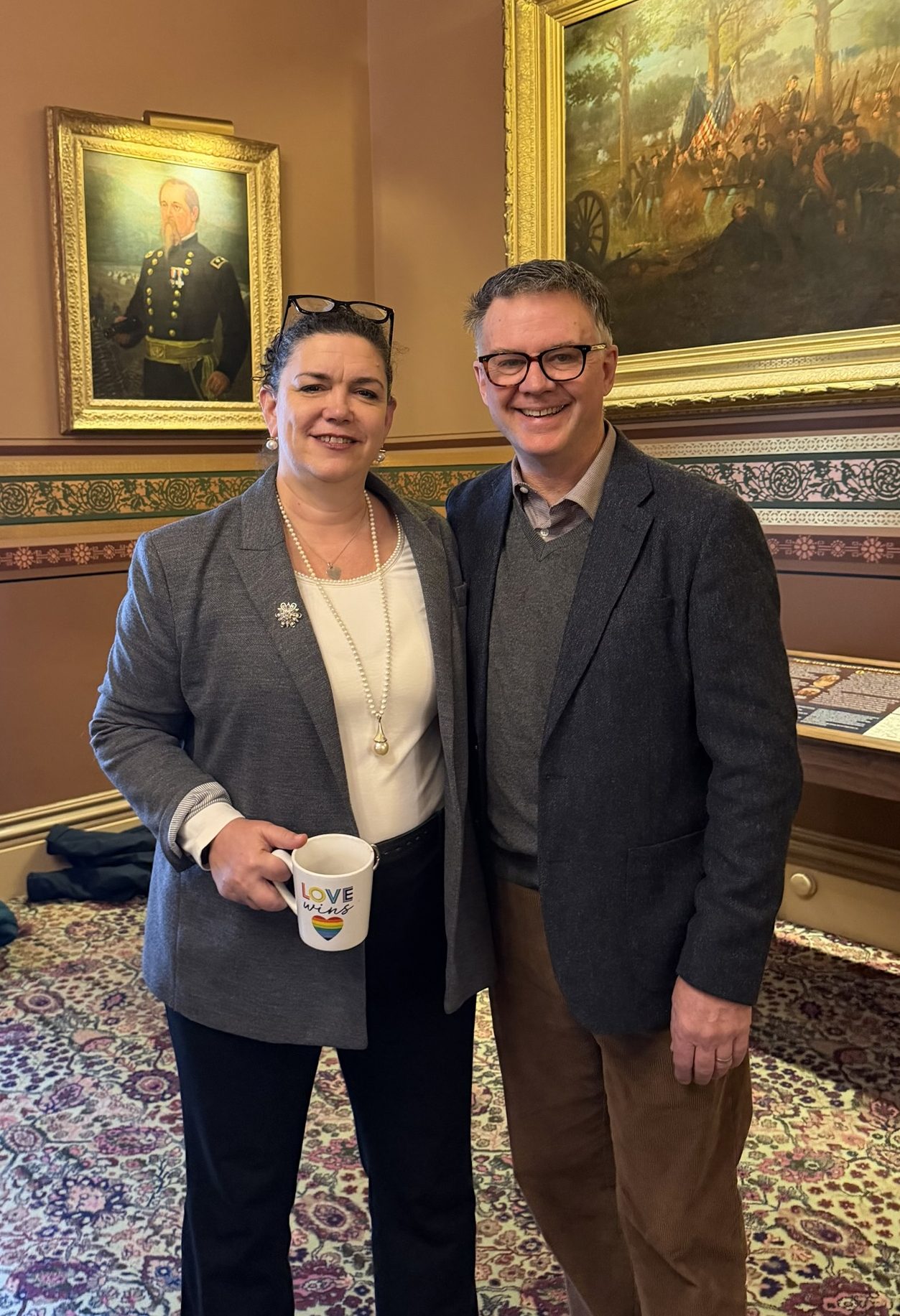
Great to see River Valleys Board Member Dwight Boerum at the statehouse on Friday as part of the Vermont School Board Association gathering and meeting with legislators.
Discover more from Vermont State Representative Laura Sibilia
Subscribe to get the latest posts sent to your email.
 Vermont State Representative Laura Sibilia