
Dear friends and neighbors,
Since my last update, a lot has happened, nationally and right here at home. I had the honor of speaking at the Deerfield Valley No Kings event in Wilmington, standing with Vermonters who believe power must always flow from the people upward. In that same week, we saw hateful and dehumanizing messages emerge from Vermont GOP leaders in a Young Republicans online group, and we saw Vermont’s governor and other Republican state leaders swiftly and clearly condemn it. That, too, is what democracy looks like: a community drawing a moral line and defending our shared values.
These event show two paths for our democracy — one rooted in community and accountability, the other in division and dysfunction. They have me asking, as I think many are: where is our country’s moral center today?
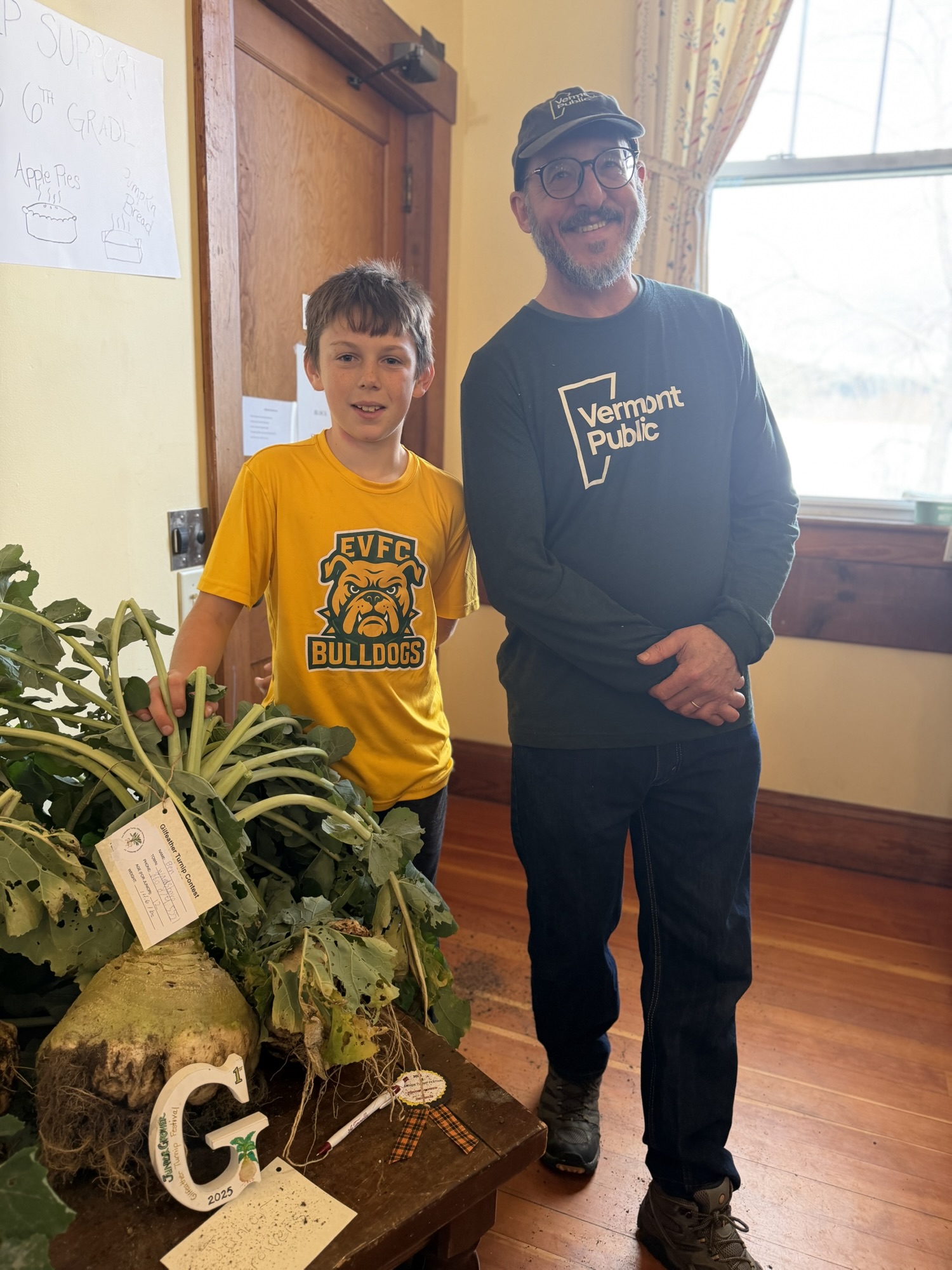
Some have suggested that we actually most easily find find moral clarity locally, in the places where we still show up for one another. This past weekend in Wardsboro, I saw exactly that. Wardsboro’s Gilfeather Turnip Festival, powered by local volunteers and local organizations, celebrated their community heritage while supporting essential institutions like the library and the school club. Community volunteers showed up to celebrate, protect what matters most in their town, and invest in what comes next.
Yet, even as our communities work hard to protect their future, Washington’s failures are creating new and unnecessary hardships here at home. The federal government shutdown is creating very real worry for many families, including federal employees here in our communities now missing their first paycheck. That breakdown in Washington reaches us quickly, especially in households already stretched thin. I will continue to share clear information below as we learn more.
But I also want to hear from YOU directly:
How is this shutdown affecting you or your loved ones? What concerns are rising to the top? What do you need? Where are you seeing our country’s moral center?
For those interested in a deeper reflection from a national perspective, I found this recent David Brooks essay, forwarded to me by a constituent, thought-provoking. He raises uncomfortable but important questions about the erosion of democratic norms and what we lose when politics becomes combat instead of persuasion. David Brooks, The Rot Creeping Into Our Minds
Please stay in touch.
Federal Impacts on Vermont Families
Governor Phil Scott released a statement on October 27 about the potential for multi-state SNAP litigation:
In the absence of the federal government acting to ensure that millions of vulnerable Americans have access to the Supplemental Nutrition Assistance Program (SNAP) food benefits they desperately need, states, including Vermont, are contemplating possible steps to support these vulnerable households and their families. These households include low-income families with children, veterans, older Vermonters, and individuals with disabilities.
Even with state efforts, the lack of federal SNAP funding will disrupt the lives of over 63,000 Vermonters and could cause real harm. This is another area where there is bipartisan support for a lawsuit seeking to require the federal government to release contingency funding it has available for emergencies. I have directed my administration to work with Attorney General Clark to support a multi-state lawsuit.
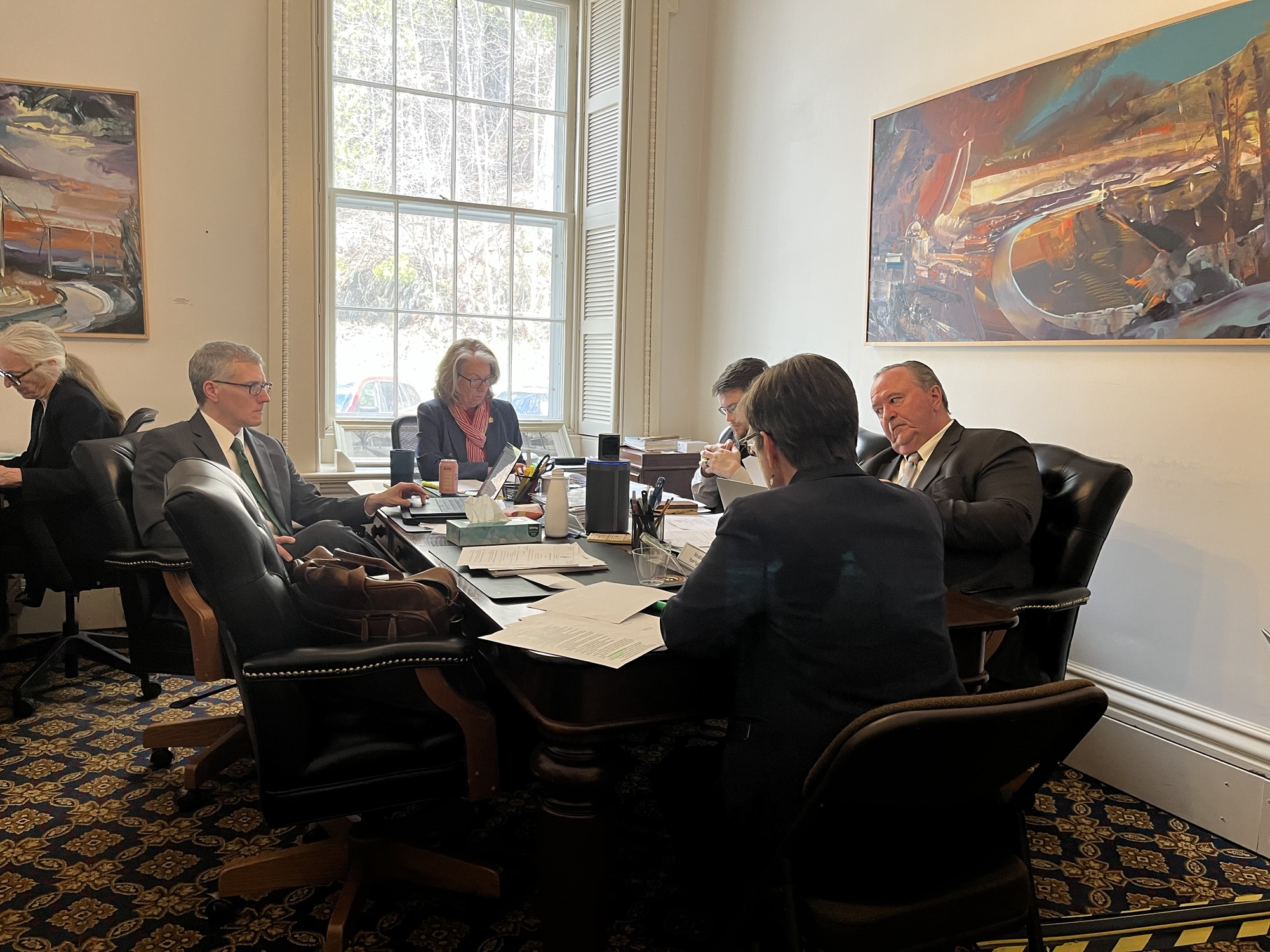
Vermont legislative leaders are saying that there are enough in reserves to keep major federally supported programs running temporarily, but we do not know if the federal government will reimburse our state when the shutdown ends.
- Medicaid and WIC remain funded for now
- LIHEAP contingency plan is being developed
- SNAP benefits for November may not be issued unless Congress acts
Over 65,000 Vermonters rely on 3SquaresVT for groceries. Many are working parents, caregivers, or seniors who depend on this support to stay afloat, something I know firsthand from my own childhood experience.
Benefits already issued this month remain usable, but families should plan carefully and stay informed. If the shutdown continues, the EBT system could also be affected. The Legislature and the Governor’s Administration are preparing state funding to ensure Vermonters can continue to access food and heat.
For help with 3SquaresVT questions: 1-800-479-6151. You can read more from VTDigger and the Valley News coverage of the briefings to the Joint Fiscal Committee on the shut down.
Legislative Response and Hearings
Upcoming hearings on federal impacts:
- House Human Services
October 30 at 9:00 AM in Room 46
SNAP impacts, homelessness and housing updates - House Energy and Digital Infrastructure (my committee)
October 30 at 9:00 AM in Room 9
Federal climate and energy changes and impacts on Vermont - House General and Housing with Senate Economic Development
November 5 at 9:30 AM in Room 31
We also must recognize that federal decisions are becoming unpredictable. This week, the federal government denied Vermont’s request for a disaster declaration for July flooding in the Northeast Kingdom, despite clear evidence of need. This is deeply worrying. Vermont communities deserve support, like all American communities, when disaster strikes.
Community Food Shelves and Office Hours
Several local organizations continue to help neighbors facing food insecurity, cash donations provide optimal flexibility, and volunteers are also needed:
- Jamaica–Wardsboro Community Food Pantry — 134 Main Street, Wardsboro. Open the second and last Wednesday of each month from 6:30-8:00pm at the Vestry building next to the Wardsboro Yoked Church on Main Street – (802) 874-7234
- Deerfield Valley Food Pantry — 7 Church Street, Wilmington. Serves Dover and surrounding towns. Open the third Saturday of each month (9 am–2 pm) and the Thursday before the third Saturday (noon–5 pm). 802-464-0148
These groups are the front line of resilience in our district, please support them if you can.
SEVCA – (Community Action) Crisis Fuel/utility assistance, food, clothing, shelter: 1 (800) 464-9951
3SquaresVT: https://dcf.vermont.gov/benefits/3SquaresVT
LIHEAP: https://dcf.vermont.gov/benefits/fuel
Healthcare Access and Federal Uncertainty
About 30,000 Vermonters use Vermont Health Connect. The enhanced federal tax credits that have kept many plans affordable are set to expire at the end of 2025. If Congress does not extend them, many families will see steep premium increases during 2026 enrollment.
Please let me know if/how you are being impacted. See more at VTDigger coverage
Climate, Resilience, and Recovery
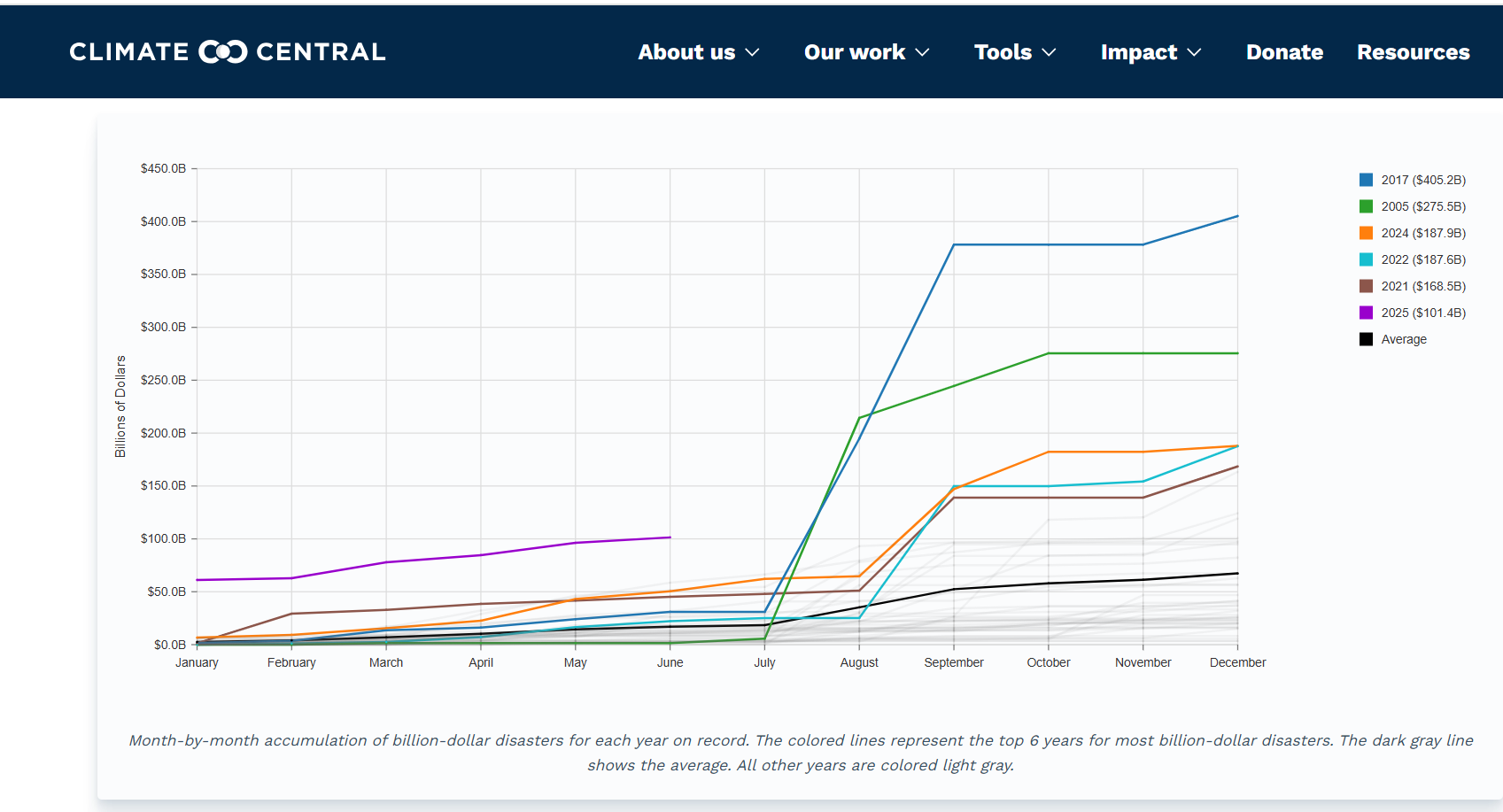
Vermont communities are still rebuilding after this summer’s floods and severe storms — as the first half of 2025 has become the costliest start to any year on record for U.S. climate disasters, with over $100 billion in damages from wildfires, tornadoes, and extreme weather (Climate Central). These national trends shape Vermont’s recovery needs, insurance rates, and infrastructure priorities.
Last week, President Trump denied Vermont’s request for a major disaster declaration for the July 10 floods, leaving small towns already struggling to recover without federal assistance. Vermont was one of three states denied while four others, largely Republican-led, were approved. Vermont State Emergency Management Director Eric Forand noted that for some towns, the costs to fix roads and bridges are “well over their annual or even two-year budgets.”
Federal partnership is essential. Vermont’s new Resilience Implementation Strategy identifies more than 300 actions to strengthen communities — including better culverts and bridges, a permanent Flood Resilient Communities Fund, improved dam safety, and clear guidance for homeowners and farmers. But state and local efforts alone can’t replace a strong federal commitment to disaster recovery.
Planning Ahead: What Local Governments Can Do
In a recent commentary, Windham Regional Commission Executive Director Chris Campany outlined practical steps towns can take now to reduce risk and build resilience before the next disaster:
- Establish a dedicated disaster reserve fund
- Secure lines of credit in advance of emergencies
- Learn about public financing tools for rebuilding
- Develop a capital improvement plan with realistic costs
- Link town plan and hazard mitigation plan priorities
- Evaluate where rebuilding may no longer be sustainable
These are proactive, local strategies that help communities stay ready and ensure that when federal assistance does come, it can be used efficiently and effectively.
FEMA Accountability
A recent Grist investigation found that Vermont has lost track of millions in FEMA flood recovery funds, undercutting public trust and risking future federal support. Stronger oversight and transparency must be part of our resilience strategy.Read more from Grist
Global Energy Competition and Our Economy
Meanwhile, For the first time in history, renewables like solar and wind generated more electricity than coal in the first half of this year. Around the world, nations are moving quickly to build clean energy, lower costs, and create jobs. But here in the U.S., that progress has slowed. The International Energy Agency recently cut its forecast for renewable growth by nearly 50%, citing shifting federal policies that reduce incentives and create uncertainty.
This slowdown is not just a climate risk, it’s an economic one. When we pull back on clean energy investment, we lose innovation, knowledge, and the ability to build and sustain strong local economies.

Act 181 and Tier 3 Rulemaking
The Land Use Review Board has released updated Tier 3 rules and maps for public comment. These will determine where Act 250 review applies, shaping how and where Vermonters can build.
I continue to be concerned about fairness and transparency for those whose land is most affected. Every landowner should be notified directly if Act 250 jurisdiction changes on their property.
Members of the Rural Caucus have been attending Public Meetings which describe the Tier 3 rulemaking process and status. I attended last week’s meeting in Rutland virtually. The next meeting is this week:
- October 29 – Windsor Selectboard Meeting Room, 29 Union St., Windsor
Meetings run from 6 to 8 PM and include virtual options.You can find draft rules, updated maps, and meeting links here: Act 250 Tier 3 Rulemaking and Report
Public Input Needed: West, Williams & Saxtons River Watersheds (Dover, Jamaica, Stratton and Wardsboro interests)
The Vermont Department of Environmental Conservation is updating the Tactical Basin Plan for the West, Williams, and Saxtons River watersheds — an area that includes Dover, Jamaica, Wardsboro, and Stratton.
This plan guides water-quality and river-health priorities for the next five years. The state is seeking local input on areas of concern, projects for restoration or protection, and community priorities.
A virtual input session for WRC Commissioners, town officials, and interested committees will be held:
Thursday, November 13, 2025, at 6:00 PM Join via Zoom Meeting ID: 858 7275 7076 Passcode: 516210
Local knowledge makes a difference. Please help identify projects or protections that matter to your town’s rivers, streams, and wetlands.
People vs. Big Tech Town Halls
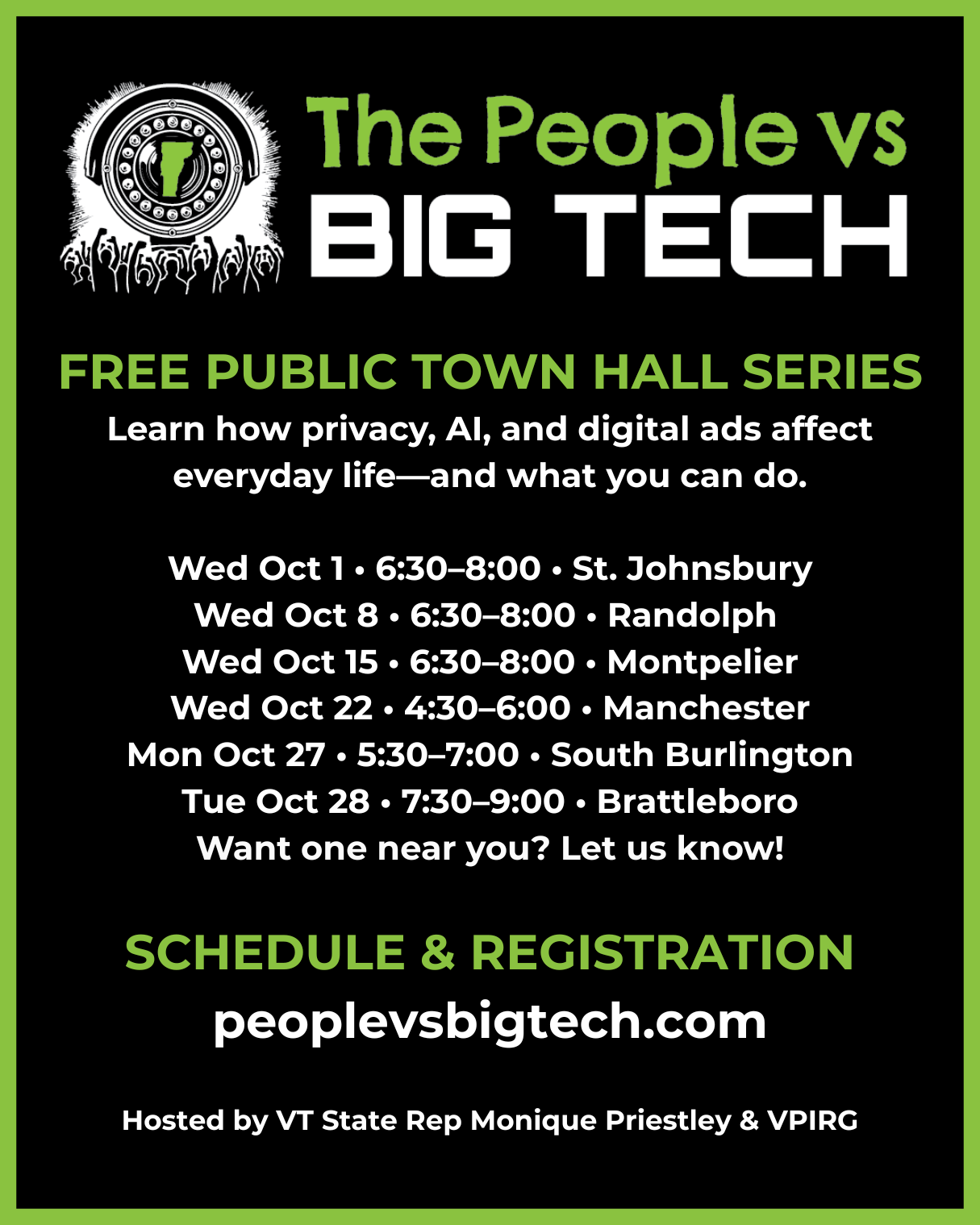
The People vs. Big Tech: Vermont series brings free public conversations on privacy, AI, and digital power to communities across the state. These town halls include expert briefings, open discussions, and practical steps Vermonters can take to protect themselves and push for smarter, people-first policy.
Upcoming events:
- Tue. Oct. 28 – Brattleboro Brooks Memorial Library (7:30–9 PM)
I’ll be attending the Brattleboro event and hope to see some of you there. Learn more or register at peoplevsbigtech.com.
Vermont Edition in Grafton
Vermont Public has launched an uplifting new series spotlighting Vermont communities: Town by Town. They visited Berkshire this past month and I 10 out of 10 recommend listening. This coming month they will be in Windham County visiting Grafton. Listen here
Additional Updates
Education Survey: The Commission on the Future of Public Education is seeking public feedback to help refine its recommendations to the Legislature. Please take a few minutes to share your views.
Archives Month Open House: The Vermont State Archives and Records Administration will host a free open house on Wednesday, October 29, 2–4 PM in Middlesex. The event includes a tour by State Archivist Tanya Marshall and a presentation by Sarah Rooker of the Norwich Historical Society.
Municipal Climate Toolkit: Vermont’s Municipal Climate Toolkit is now live — a one-stop resource hub for towns, nonprofits, and individuals working on local resilience and climate projects.s.
Office Hours
November Office Hours
- Dover: Saturday, November 1, 11 am – noon | Dover Free Library
- Wardsboro: Thursday, November 20, 6 – 7 pm | Wardsboro Library
Please stop by to share your thoughts or questions.
I welcome your thoughts, questions, and experiences. You can reach me anytime at lsibilia@leg.state.vt.us or (802) 384-0233.
Thank you for staying engaged, and caring about our state.
— Rep. Laura Sibilia
Windham-2 District (Dover, Jamaica, Somerset, Stratton, Wardsboro)
Discover more from Vermont State Representative Laura Sibilia
Subscribe to get the latest posts sent to your email.
 Vermont State Representative Laura Sibilia