Dear friends and neighbors,
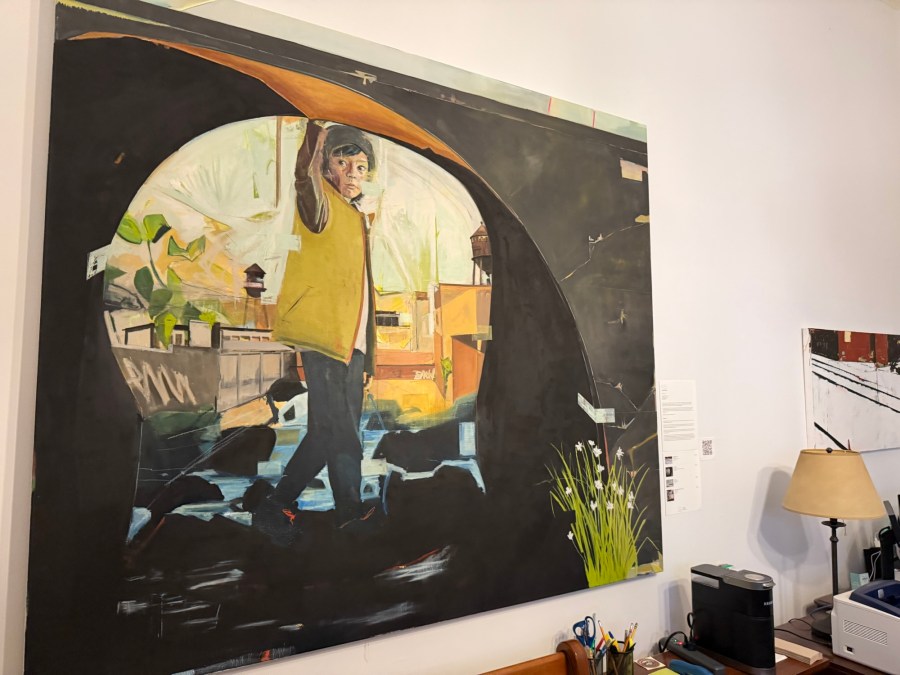
The place you send your elected leaders to work in displays artwork from many Vermont artists. The photo above hangs in the Senate Institution’s Committee Room. Focal Point, is a painting by Montpelier artist Kate Burnim, whose work explores how color, space, and process reflect the way we experience and make sense of the world. More info here https://www.kateburnim.com/
I hope you had some time today to be with family, reflect, or recharge, whether you are celebrating Easter, Passover, or simply enjoying the start of spring. We have taken a hopeful first look at our gardens and what is already starting to emerge.
This week at the statehouse, Vermonters’ voices on Act 181 continued to grow, and an education transformation bill emerged from the House. I am spending a lot of time, both in the building and out in communities, listening and working through these two issues. They are complicated, connected to cost and quality of life, and have the potential to shape Vermont for years to come.
At the same time, I am paying close attention to what is happening beyond these bills. Energy prices are rising again. Data privacy and cybersecurity risks are increasing quickly. These are not abstract issues. They are already affecting households, towns, and small businesses, and are likely to intensify.
These are not challenges any one bill will solve. I am talking with legislative leaders, members of the administration, and other concerned legislators about what is within our control in the near term. I have included some data about this and some practical tips below.
There are likely another five to six weeks left in the legislative session before members return to their districts and the 2026 election season begins. The decisions we make in this window matter and my focus is on whether what we are doing is workable, affordable, and can actually improve outcomes for Vermonters.
Listening on Act 181
Earlier this week, I shared an op-ed outlining my concerns with Act 181 and how it is being implemented. You can read that piece here
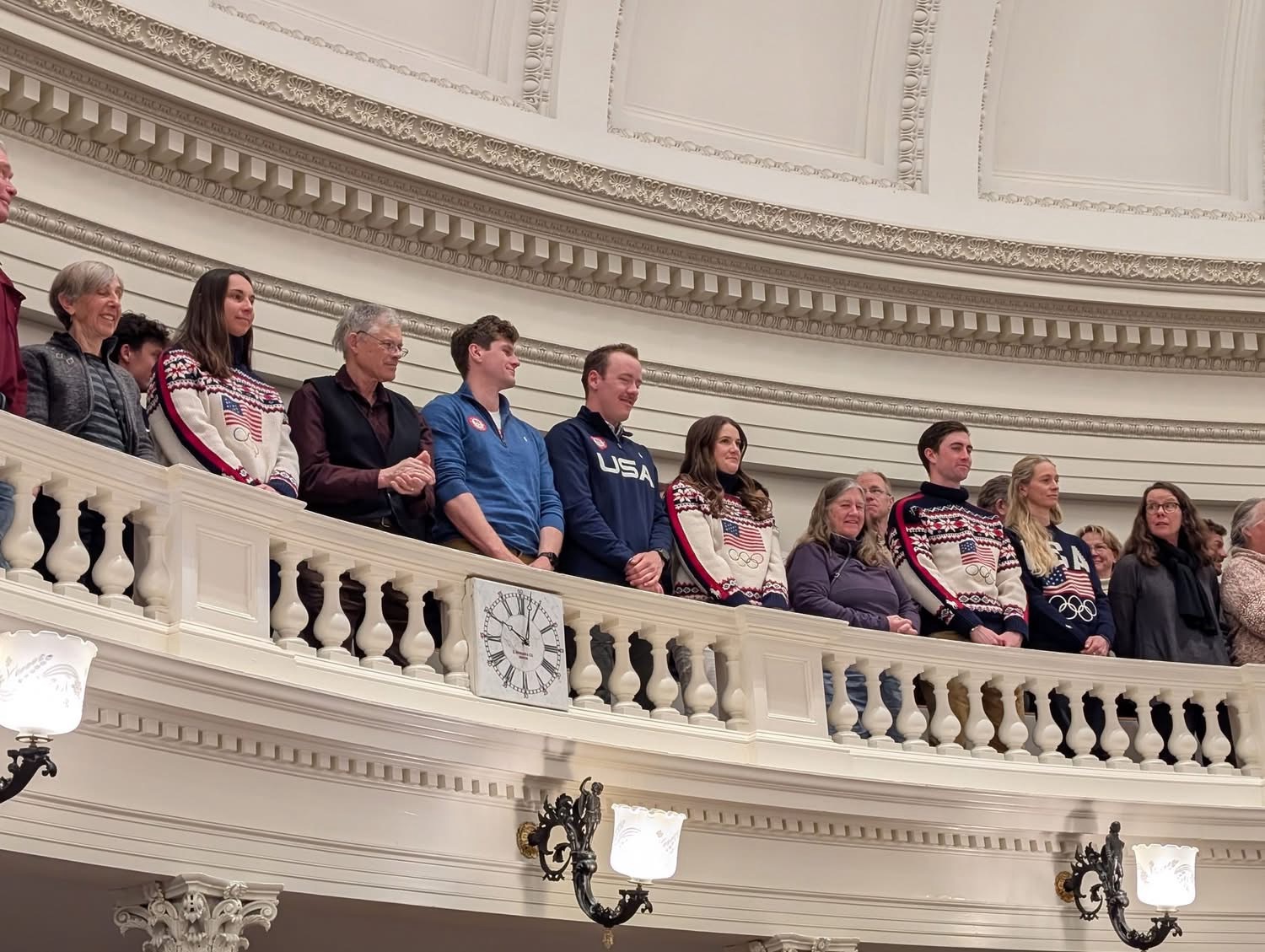
On Wednesday evening, the Rural Caucus hosted a listening session with approximately 85–90 Vermonters joining in person and virtually. We heard from farmers, parents, small business owners, healthcare providers, and multi-generation Vermonters. People spoke about housing, affordability, land use, and the ability to stay in the communities they have built their lives in.
Thank you to all who took the time to participate. If you weren’t able to join, you can watch the full recording here:
One word was used multiple times by those who came to talk with us: displacement.
As an example, a family owns land and plans to subdivide a small piece so their child can build a home. That may still be possible, but it may now require a permit, additional time, and added cost, along with a process many people are still trying to understand. The result may not be immediate loss, but over time, fewer families may stay, fewer young people return, and communities begin to hollow out or gentrify. That is what I heard some Vermonters say.
On Friday, Speaker Jill Krowinski released a statement acknowledging Vermonters concerns and the need to address parts of the law, particularly those affecting rural Vermont. You can read her full statement here
The Rural Caucus is a tripartisan group. We do not take positions unless there is shared agreement among members. We agreed at the beginning of the session to introduce H.730 and explained why here. This next week we will be working to determine whether there are areas of common ground that we can collectively advocate for in the House before the end of the session.
The ACLU of Vermont is hosting a Know Your Rights training in Brattleboro on Thursday, April 9. This in-person session will cover how to respond as a bystander during interactions with immigration enforcement, as well as general protest rights.
These trainings can be helpful for anyone looking to better understand their rights and responsibilities in real-world situations.
You can learn more and register here: REGISTER TODAY
Next Steps on Act 73
A House education transformation bill has now emerged, H.955. You can read it here. This bill is the House’s next step following Act 73. It does three main things as introduced. It creates regional service areas so districts can share staff and services. It requires every district to participate in a study of whether it should merge into a larger unified system. And it adjusts the timeline and conditions for the broader changes contemplated in Act 73.
The bill now heads to the Ways and Means Committee, where it will see additional review and likely changes, especially around how these ideas connect to the education finance system and property taxes.
There are some potential benefits to this approach. It encourages more more bottom up coordination across districts and could reduce duplication over time. It creates a structured way for communities to evaluate consolidation rather than having those decisions happen to them. It also slows down parts of Act 73 to allow more planning and analysis before major changes take effect.
There are also real concerns. This bill focuses on structure but does not directly address the biggest drivers of cost, especially healthcare and staffing. It aims to find efficiencies, but there is a risk of added administrative layers and short term costs without guaranteed long term savings.
As this bill moves through Ways and Means, I welcome your feedback. It will then go to the Senate where it may get an unfriendly reception. It is unclear if the governor will support this approach. My sense is that this is the vehicle upon which agreements between the House, Senate and Governor will be made.
One other question I have been asked, related to Senator Bongartz map. I have been asked if I support changes to which county our towns are placed in. I do not support moving our towns into a different county/region, as our education and government service systems are structured to work together. There is a lot of time left in the session for deliberating about how to get the final bill to satisfy the most number of Vermonters.
Next Generation of AI
This reporting points to a shift in cyber risk. New AI tools could allow a single actor to carry out sophisticated attacks at scale. The risk is no longer theoretical. This is moving quickly, and it is an area where most of us do not have much experience.
If a town, utility, or local system is affected, a few simple steps help:
Be ready for short disruptions. Keep basic supplies, some cash, and avoid letting your gas tank run low. Have a simple plan to check in with family if systems are down. Watch for fraud.
These are practical steps that can help reduce risk and help individuals communities recover more quickly from disruption.

What we are seeing right now with gas prices is a reminder of something we all know. Vermonters are exposed.
We rely on fossil fuels to get to work, get our kids to school, and heat our homes. When prices spike, families feel it right away. There is not much of a buffer.
At the same time, we can see a different energy system right next to it.
Electric rates in Vermont do not spike overnight. They are planned, regulated, and reviewed in public. They can go up, but they are more stable and more predictable.
Over the last few years, the legislature has taken some steps to create more stability related to fossil fuels. Weatherization helps people use less fuel. Incentives help some households transition. But we have not made enough progress. There have also been efforts to invest in alternatives to gasoline and reduce reliance on heating fuels.
Which have been fought against by nationally funded advocates for the fossil fuel industry like Americans for Prosperity.
Doing nothing leaves Vermonters exposed to price swings we do not control for energy needed to get to work and heat our homes.
There are a lot of big changes happening in our economy and state. Climate change, the energy transition, changes in our demographics are having a profound impact on our communities. There is a lot of work to be done to help communities, businesses and Vermonters manage these changes. This work is also why I shared at Town Meeting that I plan to run for reelection. I will have more to say in the coming weeks.
As always, please reach out if you need help navigating state services or want to share what you’re seeing locally. I read and value your notes, even if I can’t always respond immediately. I do not have staff and I work year-round, so if you do not hear back in a day or two, please follow up or send a text. If you find my work useful and are able to support it, you can do that here.
Thank you for staying engaged and staying in touch!
Rep. Laura Sibilia
Windham-2 District (Dover, Jamaica, Somerset, Stratton, Wardsboro)
Email: lsibilia@leg.state.vt.us
Phone: (802) 384-0233
Discover more from Vermont State Representative Laura Sibilia
Subscribe to get the latest posts sent to your email.
 Vermont State Representative Laura Sibilia