
Dear Friends and Neighbors,
My next office hours are in person at the Dover Free Library from 11-noon on Saturday, February 1, 2025.
This week, it was noteworthy to see almost every member of the House and Senate come together to hear Governor Scott’s proposal for reforming education. In my time serving, I don’t recall witnessing such a gathering to hear a policy recommendation – during this administration or the last. Credit is due to the Governor for putting forward the outlines of a broad proposal early enough to allow collaboration with the legislature during our January-to-May session.
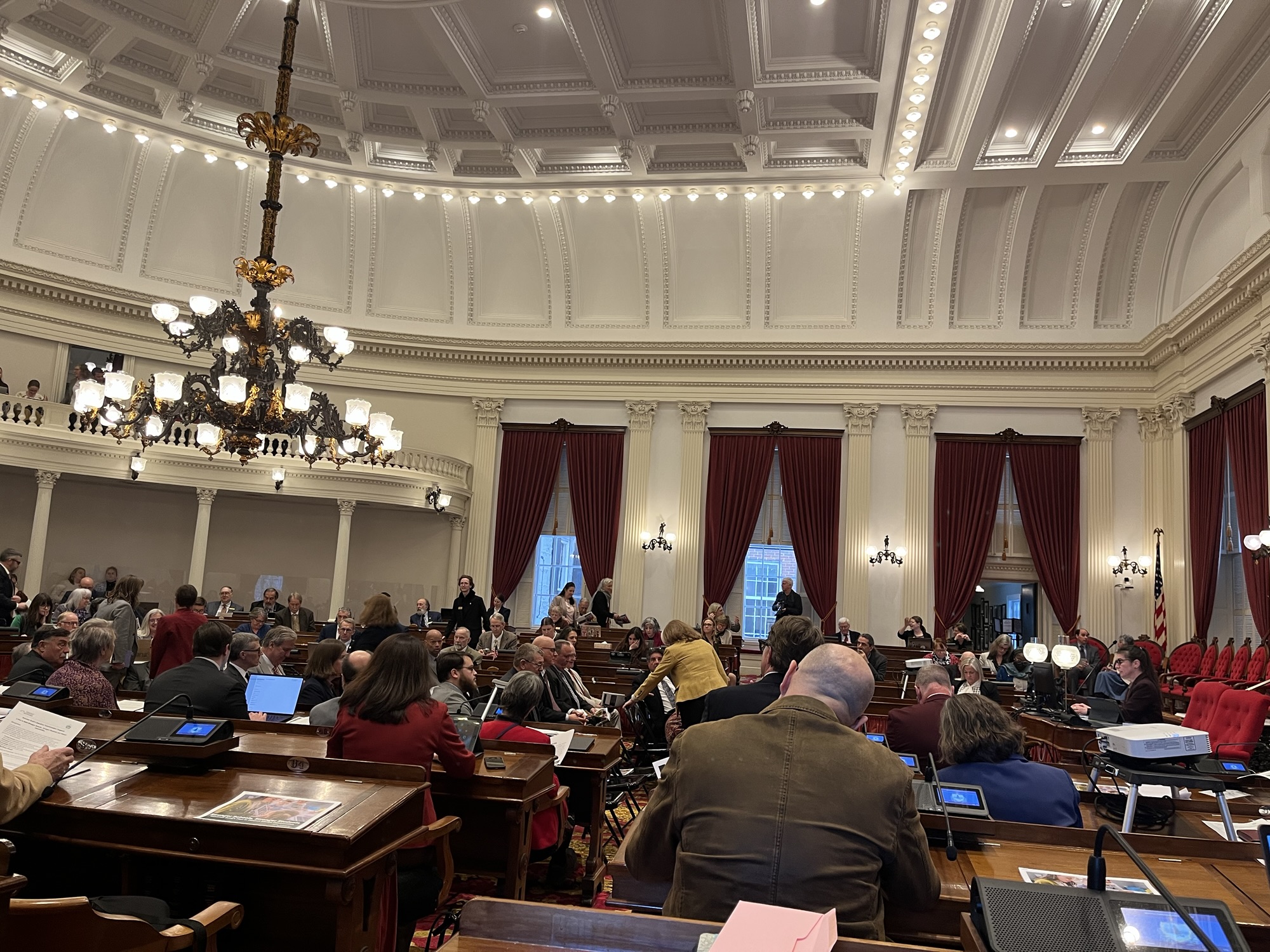
That said, the timing is not ideal for school districts which are currently building and warning their budgets for the FY 2026 school year. The governor’s intent appears to be to buy down property tax rates again this year. While there are many details in the plans that are yet to be clarified, I appreciate that the first looks suggest this proposal is of the scale our state funded and constitutionally required education system needs, especially given the significant stress it faces in the aftermath of COVID.
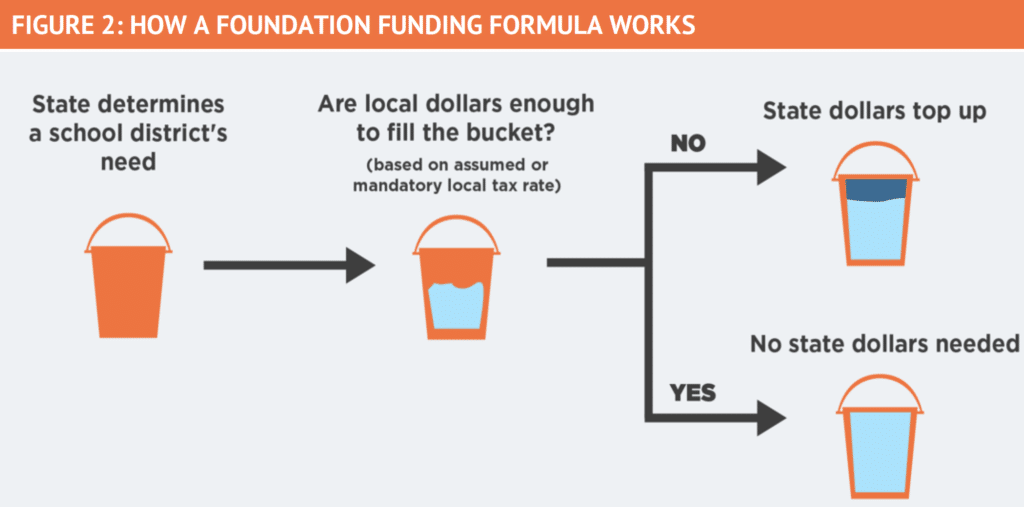
I do want to be clear about a key point in this conversation: I hear a lot of folks talking about the need to “fix” the funding mechanism. The funding mechanism isn’t what is broken—it works. How we fund education is also complex, which has the effect of disconnecting voters from understanding the budget decisions that do and do not impact their property tax rates. The real challenges lie in the loss of student enrollment, the ongoing workforce shortage, the lack of state aid for school construction for over a generation, and our ongoing failure to address the constitutional inequities highlighted in Carson v. Makin.
Governor’s Education Proposal Summary:
The Governor’s education reform plan includes moving to a foundation formula, moving to a single statewide grand list and consolidation of supervisory unions and school closures. The plan proposes a phased implementation, with the foundation formula adopted in 2026-27 and full transition by 2028-29. Key proposals include:
- Eliminating supervisory unions and replacing them with five regional districts. Our region would be part of a single Windham and Windsor County District with 1 school board of elected, part-time board members and one central office for each
- Shifting rule-making authority to the Agency of Education.
- State oversight for school closures, with distinctions between “small by necessity” and “small by choice.”
While these proposed changes could help to modernize the system, important questions remain unanswered, including the amount of base funding per student – described as “very generous” multiple times during the presentation, how the funding mechanism addresses Vermont’s Constitutional imperative and the Brigham Decision which came about as a result of Vermont’s previous foundation formula. potential impacts on property taxes, and details on how students will directly benefit.
As the Governor’s budget address approaches this week, I’m hopeful we’ll see more details and a clearer path forward. Reforming education in Vermont is no small task, and I remain committed to advocating for sound and fair decisions for all Vermonters.
Governor’s budget address
There will be a Joint Assembly to hear the Governor’s Budget Message, Tuesday, January 28, 2025, at 1:00 P.M. To view the Joint Assembly proceedings, go to the following YouTube channel: https://legislature.vermont.gov/senate/streaming/joint-assembly
Federal Executive Orders
President Trump’s administration has moved quickly to implement his campaign promises, including restructuring federal agencies and enacting new policies. While these changes are transformative, many also face legal and constitutional challenges. These actions may impact Vermont, and I want to hear from you – whether you’ve been affected or have concerns. Your feedback will help guide my response. Please share your thoughts via email at lsibilia@leg.state.vt.us or by mail at PO Box 2025, West Dover, VT 05356.
“Babies born here in Vermont have a constitutional right to be embraced as Vermonters and Americans.” – Vermont Attorney General Charity Clark from 1/21/2025 Brattleboro Reformer Vermont AG challenges Trump’s executive order on Birthright Citizenship

Latest Legislative Reports
- Department of Fish & Wildlife Annual Moose and Deer Populations Report
- Department of Taxes Property Valuation and Review Annual Report
- Agency of Digital Services Artificial Intelligence Annual Report
- Department of Public Service 2024 Regional Greenhouse Gas Initiative Annual Report The Regional Greenhouse Gas Initiative (RGGI) is a multi-state effort involving eleven Northeastern and Mid-Atlantic states to reduce carbon dioxide emissions from electricity generation. It operates through a cap-and-trade program where fossil fuel-fired power plants must purchase allowances equal to their CO2 emissions. Vermont, which joined RGGI in 2007, allocates proceeds from the sale of these allowances to fund energy efficiency programs focused on thermal energy and process fuels.
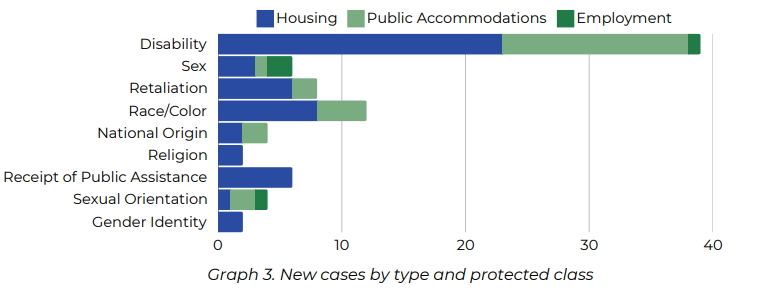
- Vermont Human Rights Commission Annual Report for FY24
Bills I’ve sponsored
H.53 An act relating to counteracting federal discriminatory mandates The proposed bill aims to ensure public schools in Vermont adopt and enforce inclusive policies that align with the Vermont Education Quality Standards. It seeks to proactively shield schools from federally mandated policies that conflict with the state’s equity and inclusivity standards. Additionally, the bill empowers the Vermont Agency of Education to provide guidance and support to schools in resisting discriminatory federal mandates. This measure underscores Vermont’s commitment to fostering equitable and inclusive educational environments.
H.56 An act relating to establishing an essential medication stockpile for reproductive and gender-affirming care This bill establishes a framework for ensuring access to essential medications for reproductive and gender-affirming care in Vermont. The proposed bill establishes an emergency stockpile of essential medications for reproductive and gender-affirming care. Administered by the Vermont Department of Health, the program will ensure equitable access through strategic procurement, storage, and distribution, prioritizing underserved and rural areas. The Department will adopt rules to manage the stockpile, minimize waste, and maintain compliance, with emergency rulemaking required by September 1, 2025. An annual report to the General Assembly will provide updates on stockpile status, usage, and future supply needs. The act takes effect upon passage, aiming to protect access to critical medications and public health.
H.87 An act relating to raising awareness of military-related post-secondary opportunities The proposed bill amends Vermont’s Flexible Pathways Initiative to require schools to include military-related options in career development and postsecondary planning resources. Starting no later than grade 7, schools must provide students with information on military admissions processes and requirements as part of their personalized learning plans. This aims to ensure students are aware of all postsecondary opportunities, including military pathways, while maintaining flexibility to support individual goals, learning styles, and abilities. The act takes effect on July 1, 2025.
H.94 An act relating to events at accessory on-farm businesses The proposed bill expands the definition of accessory on-farm businesses to include weddings and concerts as eligible events and exempts such events from requiring an Act 250 permit if the hosting municipality has adopted performance standards and site plan review. Accessory on-farm businesses encompass activities like storage, preparation, and sale of farm products, as well as social, educational, or recreational events tied to agriculture. The goal is to streamline regulatory requirements while supporting farm-based economic activities. The act takes effect on July 1, 2025.
During the 2025 legislative session from January through May I will continue to meet on the 1st Saturday of the month at the Dover Free Library from 11-noon and at your group’s invitation as schedules allow.
Monitor my votes and the bills I am sponsoring at: https://legislature.vermont.gov/people/single/2026/24023
As always, if you have suggestions, concerns or critiques please be in touch so we can schedule one on one time to discuss. Please do not hesitate to contact me if you need assistance navigating government services at (802) 384-0233 or lsibilia@leg.state.vt.us. Follow my regular posts online at http://www.laurasibiliavt.com
Rep. Laura Sibilia – Dover, Jamaica, Somerset, Stratton, Wardsboro
Discover more from Vermont State Representative Laura Sibilia
Subscribe to get the latest posts sent to your email.
 Vermont State Representative Laura Sibilia