Governor’s Veto of Yield Bill Creates Confusion for Vermonters
By Rep. Laura Sibilia
While it’s important to recognize the complexities inherent in our state education finance mechanisms, Governor Phil Scott’s recent veto of the annual property tax bill, H.887, creates even more confusion for Vermonters. The legislation, known as the “yield bill,” is required for setting education tax rates statewide and ensuring that schools are funded as voted on by Vermonters in each district. Without it, our education system faces a projected $82 million budget deficit, which could have severe repercussions for students, teachers, and communities across Vermont.
Education Tax Rate Calculations | Frequently Asked Questions
Most school budgets have already been voted on for the upcoming school year, which starts on July 1. School boards, which began their FY 2025 budget planning in the fall of 2023, relied on projections provided by the administration in the December 1, 2023 letter from the state’s tax commissioner. Following this letter, there were discussions on social media by supporters of the Governor that led to some confusion regarding the factors influencing education finance and its operations. During this time, the Administration did not propose any significant measures for tax relief. Additionally, there was a lack of leadership in a key agency for more then nine months, leaving school districts without the necessary guidance or support to navigate the financial challenges posed by the use of one-time funds to lower tax rates, a practice that the Governor has insisted on.
“Well, then they ought to get creative and figure a way to make it work without affecting our bond rating. They’re smart people.” Governor Scott’s response when legislators would not agree with his proposal to defer the property tax increase to a future year — concerned about the consequences to the state’s bond rating. (Source: VTDigger)
Throughout this year’s challenge, the Governor has not adequately explained how workforce shortages, rising healthcare costs, and global instability in fossil fuel pricing are contributing to inflation and rising costs, including property tax rates in Vermont. H.887, the legislature’s proposal, funds the numerous budgets that various districts and communities have legally constructed. It also raises funds for state-directed spending on programs that both the legislature and the Governor have obligated school districts to undertake. H.887 also results in a significant reduction from the December 1 projected increase. Unfortunately, the proposals in the 2025 Yield Bill also use one-time money, as the Governor has once again insisted, to temporarily lower rates. This practice disconnects school districts from the actual property tax rates their budgeting corresponds to, undermining their ability to plan effectively for the following year. Buying down property tax rates year after year makes the problem of increased spending exponentially worse by building off of the previous year’s masked costs. Nonetheless, the legislature compromised on this request from the Governor.
The legislature’s proposal demonstrates agreement with the Governor’s request that we must provide property tax relief now, that we must institute cost containment measures, that Vermont must reform our education funding formula to ensure sustainable spending growth and equitable opportunities, and that we must prioritize funding educational opportunities that improve outcomes for students rather than maintaining the status quo. The Governor has put no serious proposals on the table.
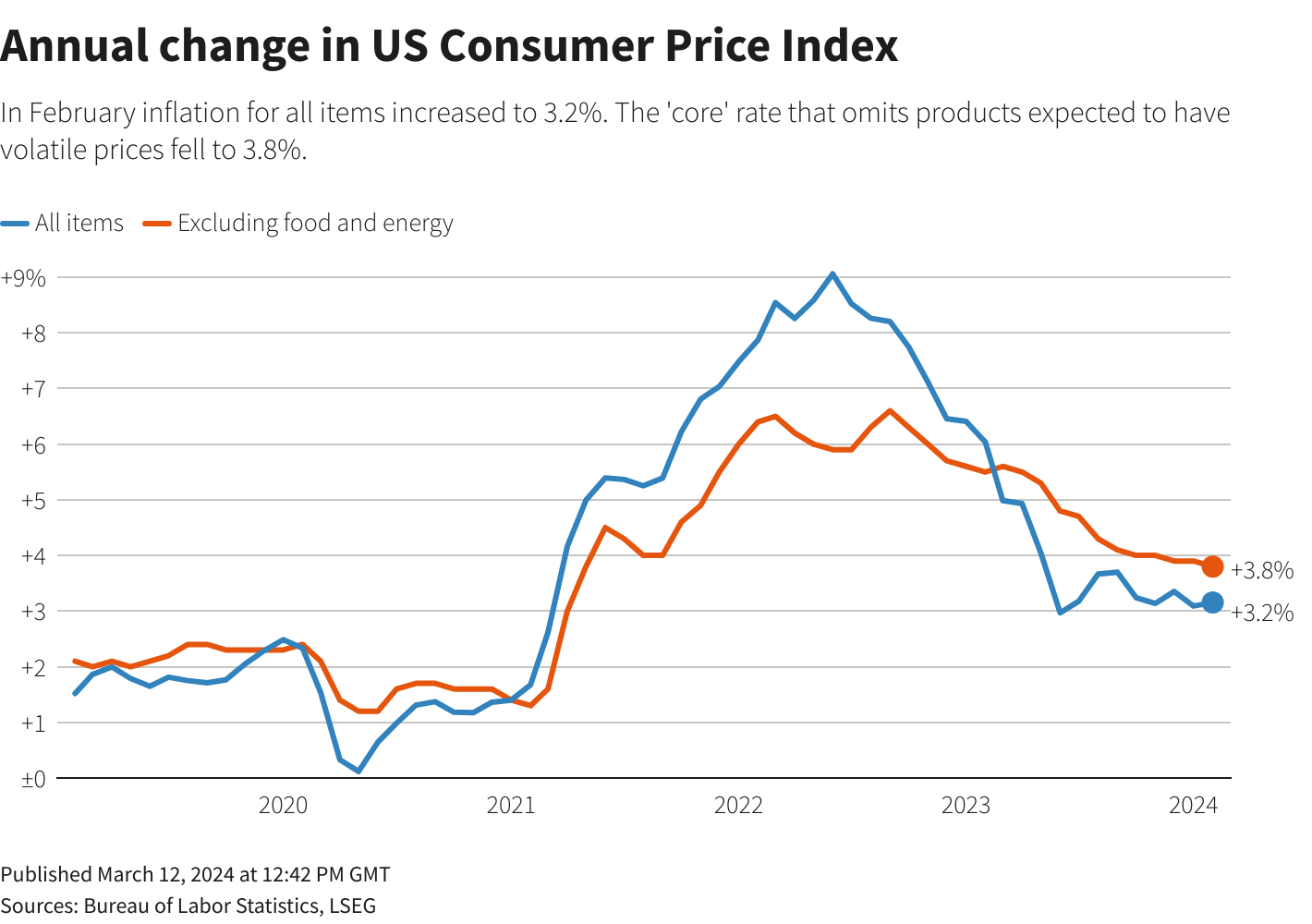
The bottom line is this: Vermont does not have a simple system by which state policymakers can responsibly further impact property tax rates in mid-June. The Governor’s veto creates confusion and disorder, especially amidst several years of inflation, which is driving up the cost of household essentials faster than paychecks are growing. If his veto is not overridden, our non partisan analysts are projecting a potential 30% increase in non homestead taxes and a big budget hole to fill next year.
While there may be differing interpretations of certain policies, it’s really important to ensure that information provided to the public is accurate and transparent. The Clean Heat Standard is not currently being implemented and is not impacting heating costs for businesses or residents as the Governor claimed in the Yield Bill veto letter. This energy policy is following a very long public process and may in fact never be implemented. The Governor’s previously commendable response to COVID-19 and consistent defense of our constitutional rights during the Trump administration contrasts sharply with this behavior. Introducing unnecessary confusion about the status of complex policies is pretty disappointing.
We must move forward with solutions that are responsible, transparent, and in the best interest of all Vermonters. Specifically, it is critical that we pass the yield bill to avoid a significant funding gap that could further destabilize our education system, and that we begin the process of structural reform of our education system that is included in H.887.
My latest opinion pieces related to this year’s education finance bill are listed below. Education policy has been a priority for me during the past decade of legislative service and I have regularly written and testified about a number of different policies affecting Vermont’s local and state education systems. Read more about my thoughts on the function of our system here.
2024 Sibilia: Looking for State Accountability on Education Spending
2023 Rep. Sibilia: About that December 1 Letter from the Tax Commissioner…
Rep. Rebecca Holcomb, Vermont’s former Secretary of Education, has offered her perspective on ways to reduce property taxes this year: Column: Montpelier holds keys to unlock school funding solutions. While many will undoubtedly find it provocative, it does help quantify the effects some Vermont policies are having on property taxes.
Please join me on Thursday, June 20th at 6 pm for Office Hours at the Wardsboro Library.
As always, if you have suggestions, concerns or critiques please be in touch so we can schedule time to discuss. Please do not hesitate to contact me if you need assistance navigating government services at (802) 384-0233 or lsibilia@leg.state.vt.us. Follow my regular posts online at http://www.laurasibiliavt.com
Rep. Laura Sibilia – Dover, Jamaica, Somerset, Stratton, Wardsboro
Discover more from Vermont State Representative Laura Sibilia
Subscribe to get the latest posts sent to your email.
 Vermont State Representative Laura Sibilia