
Good evening,
Please join me with your questions and suggestion at my upcoming office hours this Thursday, February 15th from 6-7 pm via Zoom and the Wardsboro Library and Saturday, March 2nd at 11 am at the Dover Free Library with Windham County Senator Wendy Harrison.
When I headed to Montpelier last month for the 2024 legislative session, the damage in our district and across our state from flooding, the increasing frequency of strong storms and associated power outages and the escalating education property tax was top of mind for me. There is much to report.
Last week the legislature sent the first bill on recovery to Governor Scott, S.160 (see below) a bill to reimburse communities that abated education property taxes for flood damaged property, which he has signed. In addition, the Budget Adjustment Act that left the House included $30M to be used as FEMA matching funds for costs incurred due to July 2023 flooding event, $6M for the Emergency Relief and Assistance Fund (ERAF) as State contribution to local match funding for FEMA public assistance, $10M to assist municipalities impacted by the July 2023 flooding event and committed an additional $5M of un-obligated ARPA funds to municipalities impacted by the July 2023 flooding event. This bill is coming back from the Senate with different funds and will likely be negotiated in the coming week in conference. I’m pleased we are working to move these funds to municipalities as quickly as possible. It definitely will not be enough to make impacted Vermonters whole.
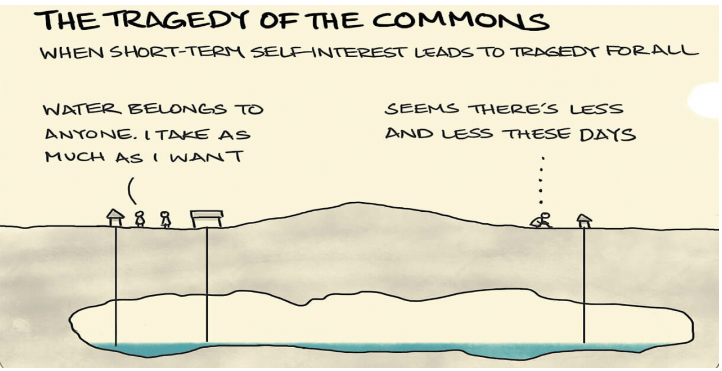
Work is ongoing related to the complex issues driving state education property tax rates. The House Ways and Means Committee analyzed information received from Vermont School Districts as part of their work to develop proposals to relieve pressure on the property tax. As a result, the Committee voted a bill out this past week to eliminate the 5% cap on tax rates that was intended for districts who are losing students due to the 20-year correction of student weighting. This hold harmless cap mechanism was actually under consideration by most districts in the state for use – many for capital expenditures. A memo from the Agency of Education indicated districts intend to preliminarily increase spending by 14% or almost 250 million dollars over last year. Instead, H.850 proposes a more targeted discount rate which will be applied only to districts that are losing student counts due to the 20-year necessary correction of pupil weights: FY25 to FY25 district ratio to statewide pupils. Here is a recent article on the change: Lawmakers move to replace controversial property tax cap with targeted ‘discount’ I am hopeful that this change will reduce statewide education spending, and take some pressure off of the property tax. It is worth remembering that 70% of Vermont residents pay their education property taxes based on income and that resident households with 2022 income under $134,800 may be eligible for a property tax credit. Under the current version of the bill, school districts that have already warned, printed, and/or mailed ballots for a March 5 annual meeting may cancel the vote on the budget-related article(s) and reschedule voting. They may also postpone the entire annual meeting.
Here is the Education Fund Outlook comparison of models: 08-Feb-24 Preliminary Education Fund Outlook for FY 2025 – House FY24 BAA, Gov Rec. FY25 Budget, Updated School Budget Data
State level educational leadership is largely missing in this historic moment. The governor IS using his bully pulpit to demand affordability *on repeat*, and has suggested ideas for savings like mandated student teacher ratios which don’t acknowledge the necessity of some small schools in Vermont or the lack of public funding for new schools in our largest towns. At the same time the Vermont Agency of Education has been without a new Secretary since Dan French left almost year ago and has lost other key leaders while the State Board of Education has been preoccupied with equity rules for private schools. This lack of leadership and technical support for local districts operating in our state funded education system, combined with the factors listed below, has placed extraordinary pressure on the legislature to enact new policies and on locally elected school leaders to try to protect quality programming and local taxpayers in a statewide funding system. I have never seen our education system under such duress and with so few statewide resources to help guide the way forward.
In 2012, then Governor Shumlin called for removing the Commissioner of Education out from the State Board of Education and elevating the role to a Cabinet-level position in order to give governors a greater stake in the quality of the public education system. Some worried this move would politicize the Secretary role. Governor Scott is admired by many in and out of Vermont for his general civility, his inclination towards bipartisanship and particularly his leadership during the pandemic. He is not well regarded for his leadership of Vermont’s state funded public education system, a system which has been and is in dire need of statewide leadership and fiscal stewardship. Vermont’s beleaguered districts, superintendents, principles, teachers, students, families and taxpayers need help. For this reason, I’ve sponsored legislation that would move the education system back under a State Board of Education and require the State Board to be more representative of geographic diversity and enrollment patterns of the state. It’s time to look at our system from top to bottom and that will require engaged leadership by experienced educational experts at the state level.
Additional factors in our state funded locally governed system influencing this year’s education property tax spike:

- multiple years of “buying down property tax rates” in Montpelier.
- universal school meals
- increased funding of teacher’s pensions in the education fund
- the labor market’s upward pressure on wages
- ongoing pressure on health insurance premiums related to our efforts to implement universal healthcare on our own a decade ago
- 15 years of no state aid for school construction projects
- increased mental healthcare needs in our schools and decreased funding outside of our schools
- the end of federal pandemic funding (but not necessarily the end of pandemic spending)
- PCB and PFAS testing and remediation
- challenges filling local governance roles – in some parts of the state – in an era of meeting disruptions and harassment of local officials on social media
VOTING: Dover and Wardsboro are currently scheduled to vote on the River Valleys School Budget on Tuesday April 30th at the Dover Town Hall at 7:00 pm. Jamaica is scheduled to vote on the West River Valley School District Budget Monday, March 25th by Australian Ballot. Stratton is scheduled to vote on their Education Budget at 11 am on Tuesday March 5th at the Stratton Town Hall.
Flood Recovery bill signed by Governor Scott
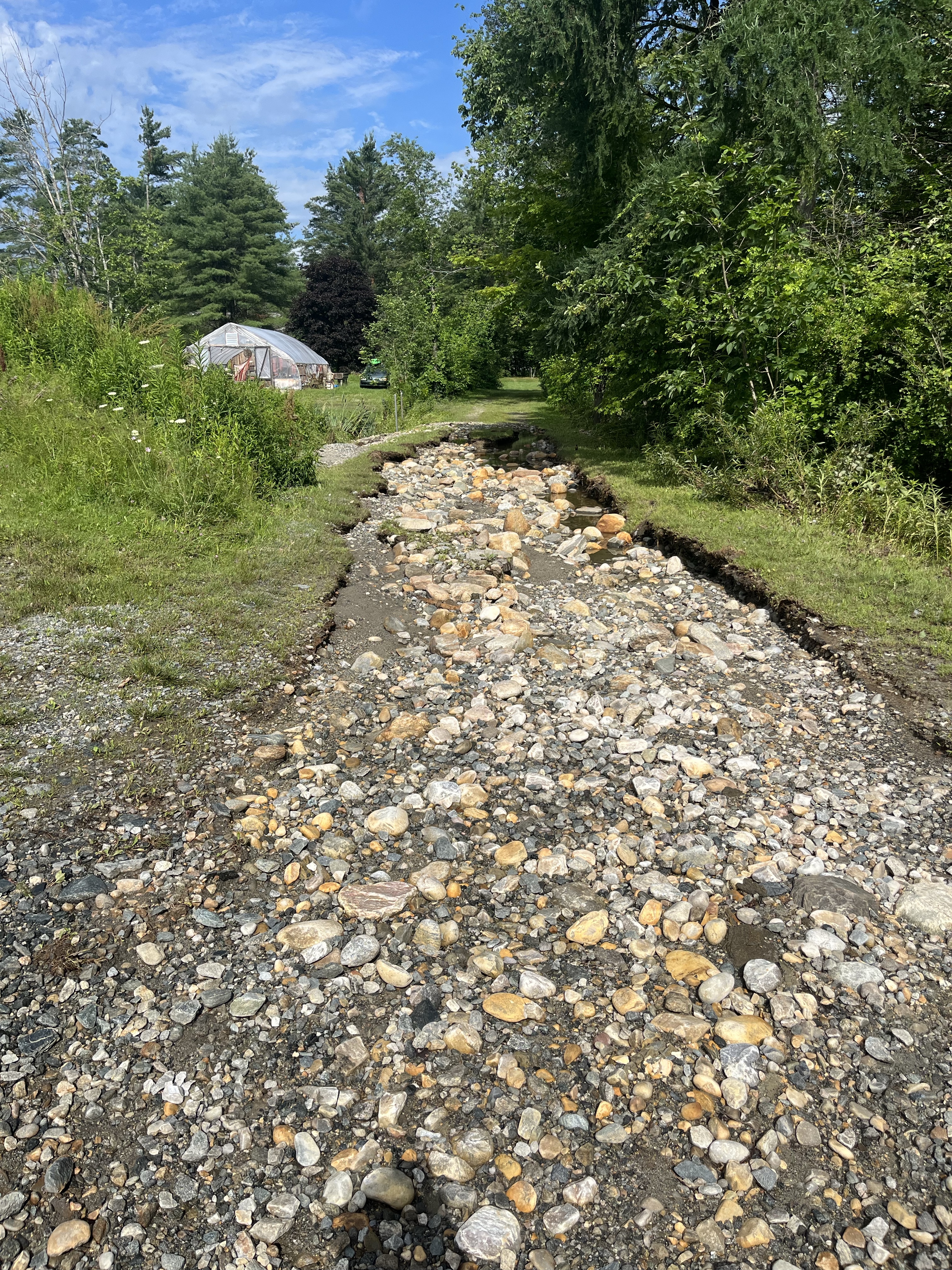
S.160 An act relating to State education property taxes and flood-related damage, proposes to reimburse municipalities for certain State education property tax payments if the municipality granted State education property tax abatements to property owners for damage caused by severe storms and flooding in 2023. This is similar to policy after T.S. Irene in 2011
Fiscal Impact: JFO estimates this bill will cost $ 1.1 million to the Education Fund in fiscal year 2024. Absent any other changes in policy, the statewide homestead property yield and/or statewide non-homestead property tax rate will need to be adjusted to account for the anticipated cost of reimbursements.
Public Hearings: FY25 State Budget
The Vermont House Committee on Appropriations and Senate Committee on Appropriations will jointly hold two public hearings on Tuesday, February 13, 2024 at 3:00 p.m. and Tuesday, February 20, 2024 at 5:30 p.m. via in person at the State House in Room 11 or videoconference (Zoom).
The Committee will take testimony on the Governor’s budget at the above dates and times. Anyone interested in testifying should sign up in advance of the hearing through the following online form: https://legislature.vermont.gov/links/publichearing-on-the-2025-budget no later than February 12, 2024 at 12:00 noon for the February 13 hearing and no later than February 19 at 12:00 noon for the February
20 hearing. Instructions on how to access and participate in the hearing will be sent once you have signed up for the hearing.
The hearing will be available to watch live on YouTube at the following link: https://legislature.vermont.gov/committee/streaming/house-appropriations For more information about the format of these events, contact Erin Viera at eviera@leg.state.vt.us or Hannah Gottschalk at hgottschalk@leg.state.vt.us. Written testimony is encouraged and can be submitted electronically through email at testimony2024@leg.state.vt.us or mailed to the House Committee on Appropriations, c/o Erin Viera, 115 State Street, Montpelier, VT 05633.
Act 250, Climate Adaptation, Housing
I’ve previously written about a number of studies that occurred over the Summer and Fall looking at how to improve Act 250, Vermont’s 50 year old land use law. Vermont’s Act 250, officially known as 10 V.S.A. Chapter 151, is a land use and development law enacted in 1970 during a period of significant development pressure in Vermont. This law establishes a public, quasi-judicial process for reviewing and managing the environmental, social, and fiscal consequences of major subdivisions and developments within the state. The Natural Resources Board (NRB) administers Act 250, issuing land use permits through nine District Environmental Commissions.
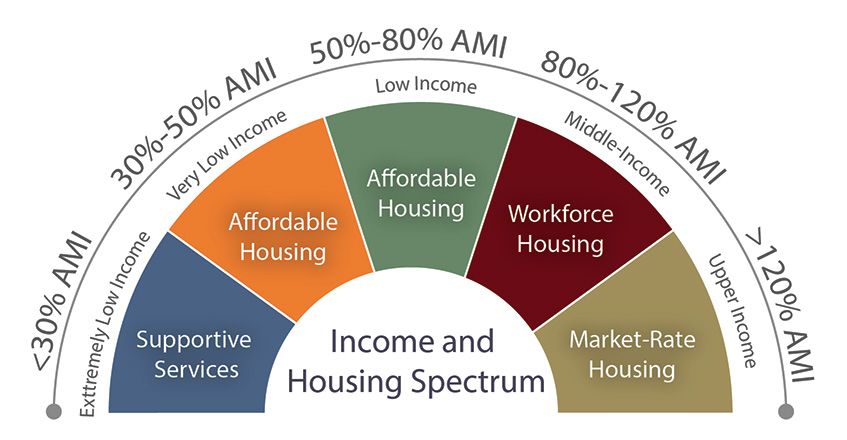
There is a great desire to reform Act 250 being driven by three different constituencies this year: conservationists, housing developers, and those looking at how to ensure enough capacity for our communities to adapt to a changing climate. While there are a number of ideas on the table from those studies and building off of last year’s HOME bill, the variance in the distinct goals is significant, collaboration is tricky and time is already running short given the ambitions of the various constituencies and the technical complexity of a number of the proposals under consideration. Here are major land use bills under consideration:
- H.687 – An act relating to community resilience and biodiversity protection through land use in House Environment and Energy (my committee)
- S.213 – An act relating to the regulation of wetlands, river corridor development, and dam safety in Senate Natural Resources and Energy
- Be Home Bill – An act relating to bringing everyone home in Senate Economic Development
There is a lot of important work that has been done, and more to do. There are legitimate concerns about how far some of the proposals go in increasing automatic Act 250 Jurisdiction. This week, some of those concerns bubbled over: VTDigger: Environmentalists and developers say they’re ready to compromise on Act 250. The Rural Caucus has also been hearing from a number of the proponents of various aspects of the bill and is keenly interested in how the final proposals impact our most rural communities. Stay tuned.
Vermont Communications Union Districts

Last week representatives of the hundreds of Vermonter’s engaged with Communications Union Districts were at the statehouse, including Steven John and Ann Manwaring who lead the Windham County CUD DVFiber. This bottom up, publicly funded and supported initiative to achieve universal broadband is connecting Vermonters all across the state every day.
La Nina watch issued: What it means for the US
El Nino is showing signs of fading, and AccuWeather long-range forecasters say a dramatic return to La Nina is possible before the peak of the 2024 Atlantic hurricane season.
Monitor the bills I am sponsoring and recorded roll call votes.
As always, if you have suggestions, concerns or critiques please be in touch so we can schedule time to discuss. Please do not hesitate to contact me if you need assistance navigating government services at (802) 384-0233 or lsibilia@leg.state.vt.us. Follow my regular posts online at http://www.laurasibiliavt.com
Rep. Laura Sibilia – Dover, Jamaica, Somerset, Stratton, Wardsboro
Discover more from Vermont State Representative Laura Sibilia
Subscribe to get the latest posts sent to your email.
 Vermont State Representative Laura Sibilia